53.06% success: how to shop in local markets guide
"Navigating a bustling marketplace requires more than just currency; it requires the ability to bridge cultural gaps through language and social understanding."
Learning how to shop in local markets in China involves understanding linguistic diversity and preparing for direct interactions. This guide covers communication basics, social nuances, and practical steps for successful transactions.
Key takeaways include recognizing the importance of Standard Chinese, understanding regional communication variations, and managing expectations during price negotiations.
How to shop in local markets with language?

As the morning sun warms the dusty street, I nod toward the ripe peaches and mouth the local words to ensure a successful purchase.
A traveler stands before a colorful stall in a crowded district, trying to find the right words to ask for the price of seasonal fruit. While many regions have distinct dialects, understanding the linguistic landscape is the first step toward successful interaction.
According to the International Monetary Fund, China recorded real GDP growth of 4.5% in 2026.
The ability to communicate effectively can vary significantly depending on the region. According to a 2007 survey conducted by the Chinese Ministry of Education, 53.06% of the population were able to effectively communicate using Standard Chinese.
This statistic suggests that while a common tongue exists, much of the population may rely on local variations or different levels of proficiency.
Mastering basic phrases in Standard Chinese can serve as a foundation for any market visit. Using clear, respectful language helps establish a connection with vendors who may not be accustomed to foreign visitors. This linguistic baseline provides a starting point for more complex social exchanges.
- Observe how locals interact with vendors to understand the social tone. 2. Learn basic greetings to establish a friendly rapport. 3. Practice simple questions about product freshness and origin.
What are the best local market communication tips?

A vendor gestures toward a basket of fresh vegetables, waiting for a response to a question about freshness or weight. Successful market shopping requires a blend of verbal clarity and non-verbal cues.
Effective communication often relies on a mix of spoken words and hand gestures to clarify quantities or prices. Local market communication tips often involve learning the specific terms for weights, measures, and common goods.
Being able to understand these terms prevents confusion during the transaction process.
In many settings, a polite nod or a smile can supplement spoken language to convey intent. Developing these soft skills allows for a smoother flow of conversation when verbal communication hits a wall. It is helpful to observe how locals interact before attempting to lead the conversation.
In this sequence, the second step is the most important.
How to talk to vendors effectively?
A customer holds up a piece of silk, looking at the vendor to gauge the value of the item. Engaging in a dialogue with a seller can be intimidating but is often an essential part of the shopping experience.
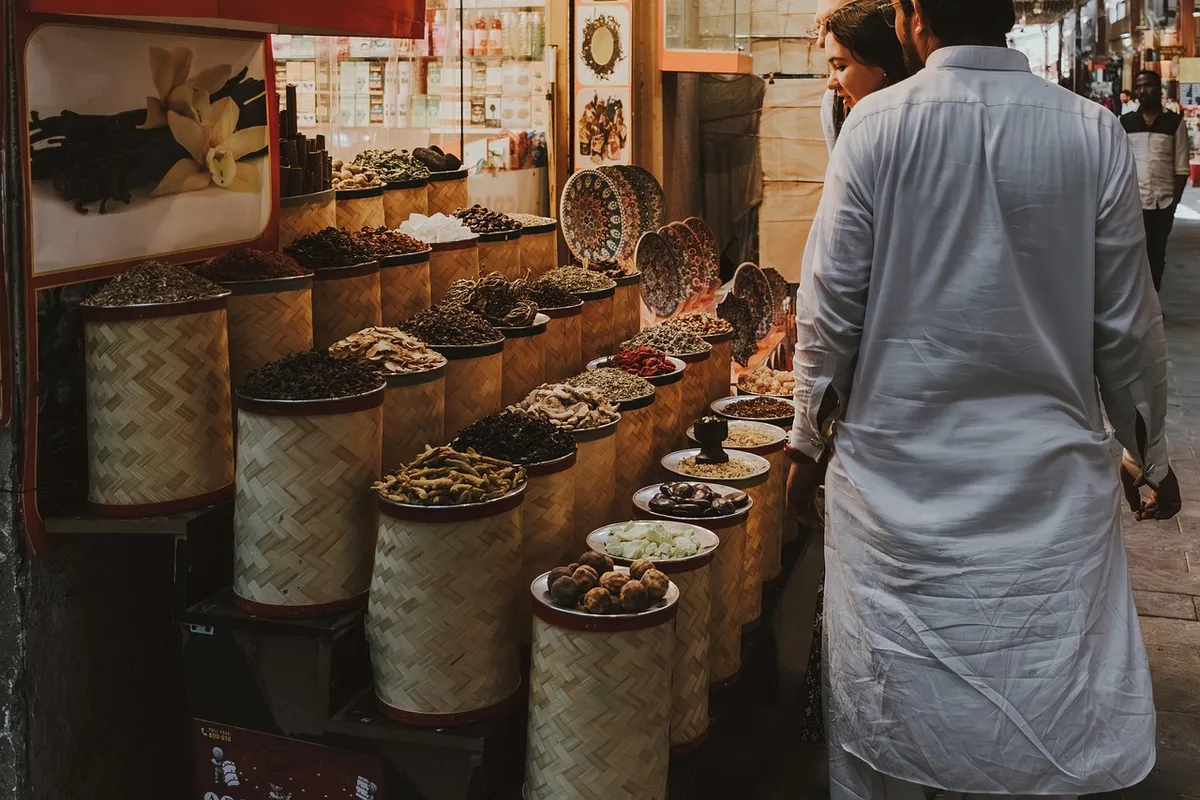
Building rapport is a vital component of how to talk to vendors during a visit. Showing genuine interest in the products can turn a simple transaction into a friendly exchange. This interaction often leads to a more authentic understanding of the local culture and goods.
It is important to remain patient and observant of the vendor's pace. Some sellers may prefer quick, efficient exchanges, while others may enjoy a longer conversation about the origins of their items. Adapting your style to the environment helps maintain a positive atmosphere.
According to International Monetary Fund, the 2026 record includes 4.5%.
What is a reliable market shopping guide?
A shopper walks through a narrow aisle, checking labels and comparing the appearance of different goods. Having a plan can prevent the stress of being overwhelmed by the sheer variety of items available.
A solid market shopping guide focuses on preparation and situational awareness. Before entering a market, it is useful to have a general idea of what you are looking for and what a fair price might be. This prevents impulsive decisions and helps maintain control over the shopping process.
When navigating crowded spaces, staying mindful of your surroundings is essential. Keeping your belongings secure while focusing on the items you wish to purchase ensures a safe and productive trip. A organized approach makes the transition from browsing to buying much easier.
What are the essential market phrases?

A traveler scribbles a few characters on a small notepad to remember how to ask for a discount. Carrying a small reference can significantly boost confidence when facing language barriers.
Learning essential market phrases can save time and reduce frustration. Focus on phrases related to asking for prices, inquiring about the origin of goods, and confirming the total amount. These specific tools are the backbone of successful local shopping.
I find that practicing these phrases before arriving at a specific stall makes the actual interaction feel much more natural. Having these phrases ready allows you to focus on the quality of the items rather than struggling for words.
How to manage buying goods from locals?
A buyer carefully inspects a handmade ceramic bowl, checking for cracks or imperfections. The final stage of the process involves finalizing the deal and ensuring both parties are satisfied.
Managing the process of buying goods from locals requires a balance of firmness and politeness. It is helpful to follow a structured approach to ensure nothing is missed during the transaction.

- Inspect the quality of the item thoroughly before discussing the price. 2. Confirm the final price clearly to avoid any misunderstanding. 3. Complete the payment and verify that you have received the correct change.
Always perform a final check of the item and the transaction details before walking away. This ensures that the purchase meets your expectations and that the exchange was handled correctly.
One limitation to successful communication is that linguistic proficiency varies greatly by age and specific geographic location.
- How to shop in local markets with language?
- What are the best local market communication tips?
- How to talk to vendors effectively?
The subject here is how to shop in local markets.
The same subject is also called interacting with locals.
This part also covers bargaining tips for travelers.
Related




Comments 0