Essential Apps and Technology Guide for Traveling in China: Making Your Trip Smoother.
<!--img--> 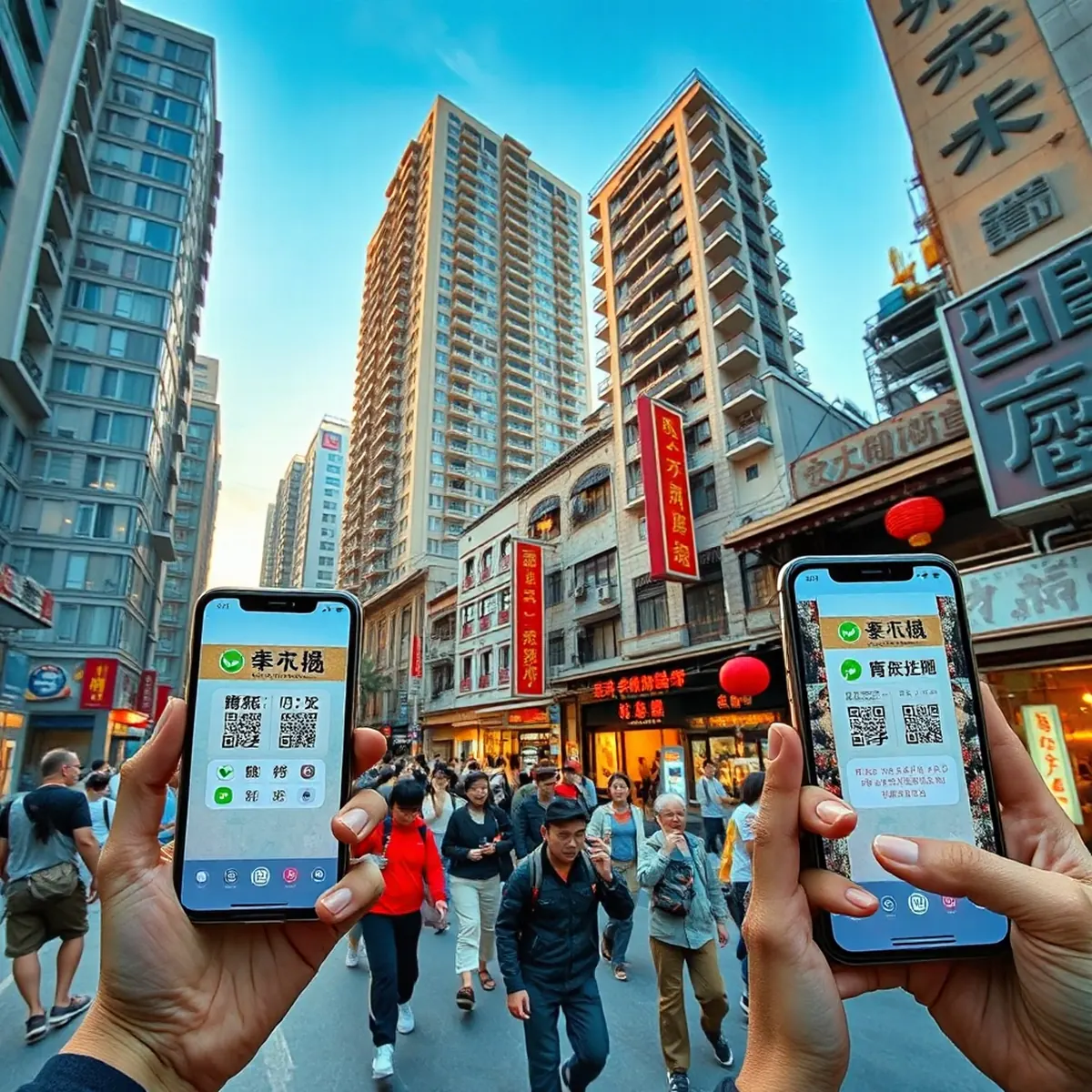
Traveling to China can be challenging due to cultural and language barriers. However, by learning a few apps and techniques, your trip can become much smoother. This article focuses on the most useful apps for traveling in China and how to use them. These apps provide valuable information for all aspects of your trip, including daily life, transportation, food, and shopping.
1. The Most Important Apps in China: WeChat and Alipay
China has a highly developed digital ecosystem, and most daily activities are handled through mobile apps. Among these, WeChat and Alipay are the most essential. Life in China is nearly impossible without these two apps.
WeChat is the most widely used messaging app in China and includes features like payments, a camera, and social networking. It is primarily used for communication with businesses and organizations, as well as connecting to existing services. In China, it is common to pay by scanning a QR code with WeChat rather than using a card. This is especially important when paying at restaurants, stores, and convenience stores.
Alipay is China's largest mobile payment platform and is linked to more stores and services than WeChat. You can use Alipay at places like Banana, Market, and restaurants. In places that don't support foreign languages, you can pay by scanning a QR code.
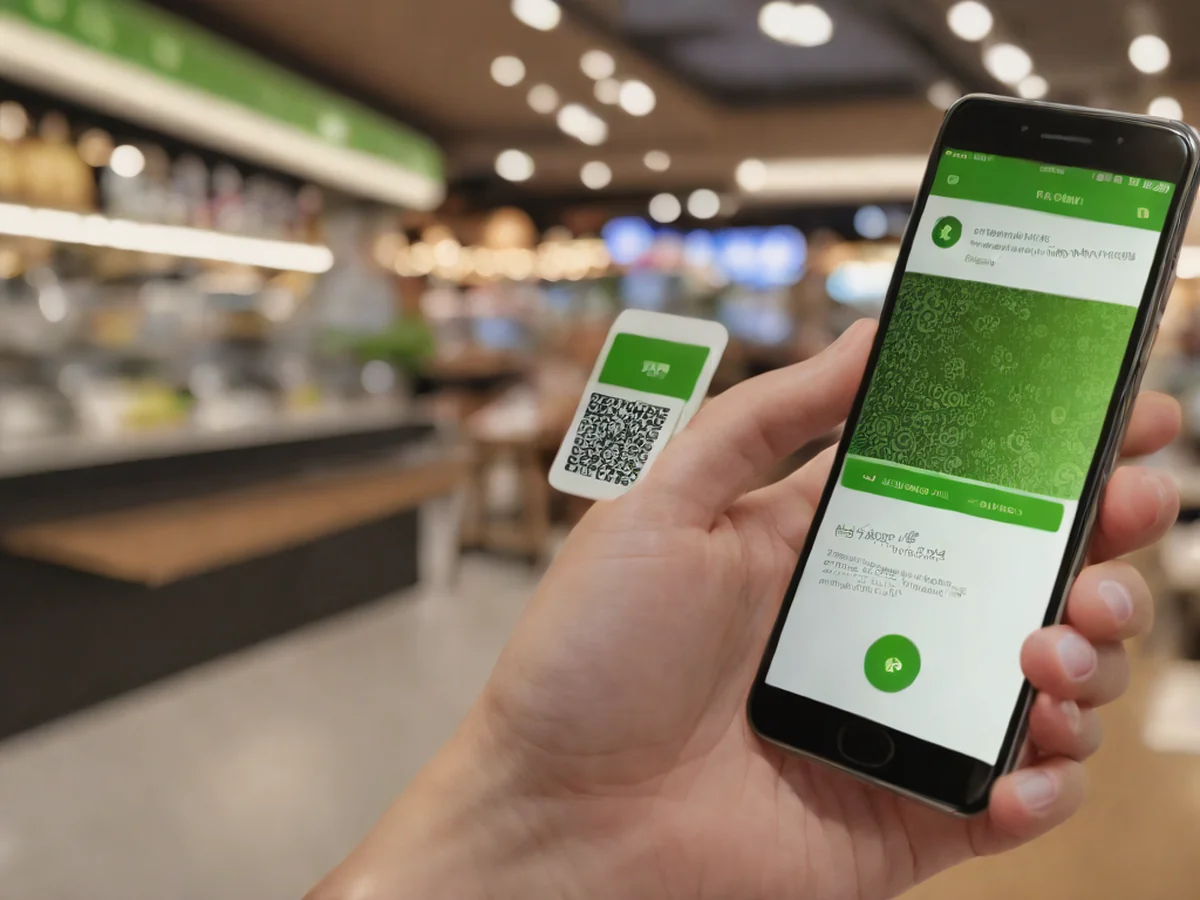
These two apps are much more efficient than cash in China, and you will often see signs that say "If credit cards are not accepted, please pay with WeChat or Alipay." Therefore, it is important to install WeChat and Alipay before your trip to China, log in with Chinese accounts, and set up payment settings. If you have a Chinese friend, it is safer to create an account through them and test the payment features.
2. Transportation: Didi, Baidu Maps, and Arlang
The most popular transportation apps in China are Didi and Baidu Maps. Didi is like Uber in China and offers various vehicle options, including limousines, taxis, and basic cars. It is especially useful for traveling between airports, train stations, and tourist attractions. In some cases, you can select the menu in Korean. However, some locations may have limited Korean support, so it is important to know how to enter Chinese characters or English on your smartphone. For travelers who don't know Chinese, searching for "Korean" or "English" on this app can be helpful.
Arlang is a communication app that can be used in China, allowing you to communicate with Chinese students or travelers in real-time through WeChat group chats. This app is primarily used by foreigners in China to share local information and ask questions when they cannot use Google or YouTube.

Baidu Maps provides the most accurate live location and public transportation information in China. It includes updated information on subway lines, bus routes, and station locations. It often supports both Chinese characters and English. This is especially useful for finding "exit 5" in a subway station. However, it doesn't work in areas with weak 3G/4G signals if you don't download the map, so it is best to download local maps in advance before your trip.
3. Food and Shopping: Dianping, AliExpress, and Zhihu
The most useful apps for enjoying food and shopping in China are Dianping, AliExpress, and Zhihu. Dianping is like the Chinese version of "TripAdvisor" and provides reviews and ratings for all restaurants and stores. Even if you are not familiar with Chinese, you can judge the ratings based on icons and images. For example, four red symbols indicate a good rating, while one or two symbols may indicate potential risks. This app is very useful for judging the hygiene and taste of restaurants.
AliExpress is a global online shopping platform owned by Alibaba, and while it's not limited to China, it can be useful for ordering products you purchased in China remotely. This is especially helpful for buying traditional foods, teas, and handicrafts. However, international shipping may be limited, so it is safer to purchase directly in China.

Zhihu is an information-sharing platform similar to QQ in China, and it allows you to get recommendations from locals based on information shared by travelers. Even if you don't speak Chinese, you can ask questions in Korean, and many travelers share information about "the best ramen shop" or "Vietnamese restaurant" in China. This app allows you to find hidden gems and local favorites recommended by locals.
4. Language and Information: Translation Apps and Chinese Coaching
The language barrier is significant in China. However, you can significantly reduce this barrier by using your smartphone. Google Translate provides the function of recognizing Chinese directly and translating it into audio and text. The Chinese voice input feature automatically converts what you say in Korean into Chinese characters, which is very useful when looking at an invoice and saying "How much is this?"
Baidu Translate excels in converting between Chinese and Korean and can also help you understand sentence structure. This app recognizes and translates slang and unique expressions used in China. For example, if you say "Try this!", it will translate to something like "Try eating this!" in Korean, which is very useful for everyday conversations with locals.

If you are a traveler who wants to learn Chinese, the Youdao Dictionary app is helpful. You can take a picture of a Chinese word and it will translate it into Korean, and you can also check the pronunciation and writing of Chinese characters. This is especially useful when looking at food menus or application forms, and this app is highly recommended for anyone who wants to learn even a little bit of Chinese.
Finally, when you are traveling in China and your map is confusing or you have a question like "Where is this?", using the WeChat location sharing feature can help you easily ask for help from locals. Since most Chinese people use the WeChat app, this feature serves as a "bridge" for communication.
The technology and apps needed for traveling in China go beyond simple information sharing; they are essential for local life. WeChat and Alipay are the foundation for payments and communication, while Didi and Baidu Maps are essential for transportation. You can enjoy food and shopping with Dianping and AliExpress, and you can overcome the language barrier with translation apps. By using all of these effectively, China can become a country that you can enjoy without any inconvenience.
<!--enr--> ## Quick Comparison
| Category | Item A: WeChat & Alipay | Item B: Didi, Baidu Maps, Arirang |
|---|---|---|
| Core Functionality | Mobile payment (WeChat Pay, Alipay), messaging, QR code scanning for payments | Ride-hailing booking (Didi), real-time maps and public transit info (Baidu Maps), local communication platform (Arirang) |
| Primary Use | Cashless payments at restaurants, shops, convenience stores | Airport/station transfers, subway route and exit navigation, sharing local information |
| Language Support | Chinese-focused; Korean input not supported directly | Limited Korean menus available (Didi); Hanja/English bilingual display (Baidu Maps) |
| Pre-installation Requirements | Account setup and payment testing in Chinese required | Download maps in advance; ability to input Hanja/English essential |
| Integration with Local Life | Very high (essential for daily transactions) | Moderate to high (critical for transportation and information access) |
Frequently Asked Questions (FAQ)
Q1. How should I set up WeChat and Alipay before traveling to China? WeChat and Alipay require accounts valid within China, which may be difficult to create using a South Korean phone number. The safest approach is to have a Chinese friend help you set up an account and test the payment functions. It's recommended to link either a Chinese bank card or credit card as your payment method.
Q2. Can I switch the Didi app menu to Korean? DIDI offers limited Korean support in some regions, but does not provide a full Korean interface. You may try entering keywords like "English" or "Korean" to assist navigation, but most features are displayed in English or Chinese characters. Basic understanding of either language will help you use the app effectively.
Q3. How can I interpret restaurant ratings on Dianping? Dianping displays reviews and ratings using images and Chinese character icons. For example, four or more red heart symbols generally indicate a good rating, while one to two suggest potentially lower hygiene standards or taste. Checking images, star ratings, and review text together helps you make better choices based on local preferences.
Q4. What should I do if the Baidu Maps signal is weak? Baidu Maps may not function properly in areas with poor 3G/4G signal. It’s essential to download maps for your destinations in advance, especially when traveling indoors such as inside subway stations or high-rise buildings where offline use is critical.
Popular posts
How to Drink Soju in China: 7 Practical Tips More Important Than the Taste.
Troubleshooting electrical outlet issues in China: Practical tips to fix them in 10
A city where a bottle of soju costs just 100 won: How to enjoy China safely.

Comments 0