China High-Speed Rail: 5 Essential Tips for Easy Travel
Navigating the massive high-speed rail network in China is easily the most efficient way to traverse the country's vast landscapes.
To travel like a pro, you need to book your tickets well in advance through digital platforms, carry your physical passport as your primary "ticket," and master mobile payment apps like Alipay before you arrive at the station. Following these steps ensures a seamless transition from major hubs like Beijing to coastal cities like Shanghai.
* Book Early: Use global platforms like Trip.com to secure seats days or even weeks in advance. * Passport is Key: Your physical passport serves as your digital ticket; without it, you cannot pass security. * Speed Matters: Opt for the CRH (China Railway High-speed) services to travel at speeds exceeding 200 km/h (124 mph). * Go Digital: Mobile payments and navigation apps are non-negotiable for a smooth experience.
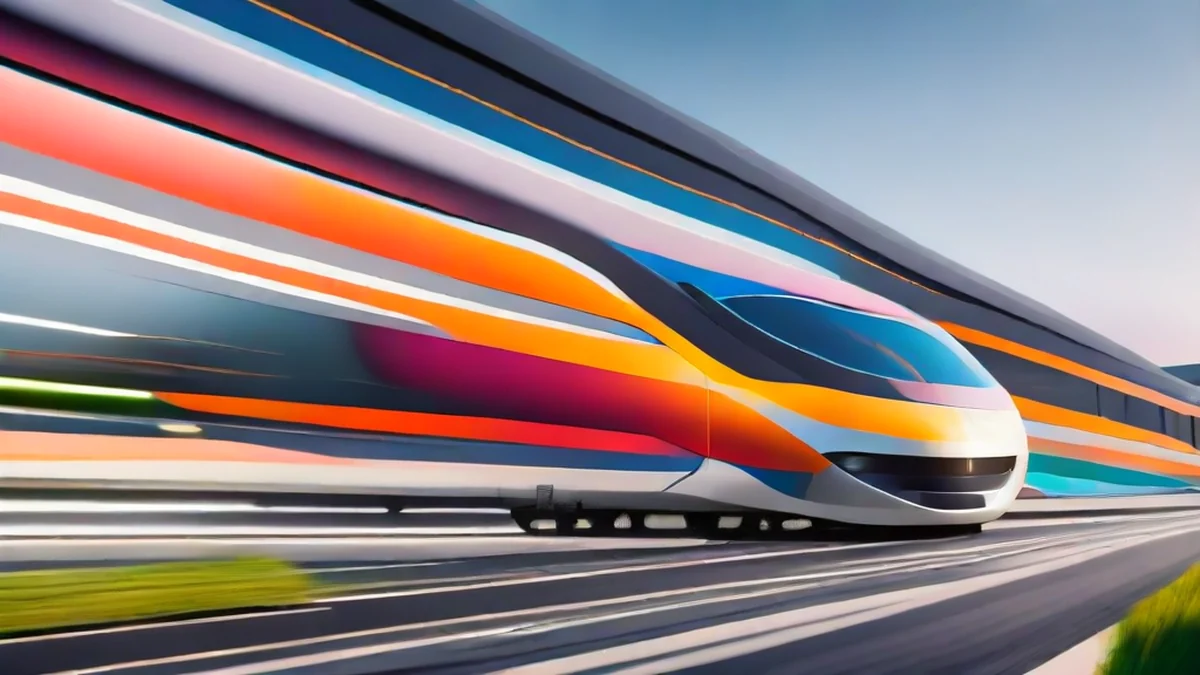
What is the difference between Gaotie and regular trains?
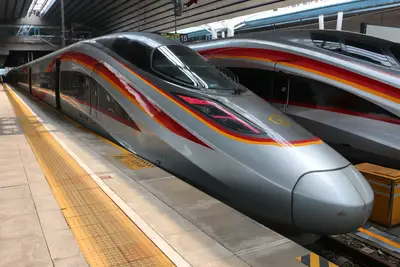
When planning your trip, you will frequently encounter the term "Gaotie." This refers to China Railway High-speed (CRH), the premium high-speed rail brand managed by the state-owned China Railway.
According to the *China Railway Statistical Report 2025*, high-speed lines now constitute a massive portion of the national network, operating with incredible precision. These trains typically cruise at speeds between 200 km/h and 350 km/h (approx. 124–217 mph) on dedicated tracks.
In contrast, conventional trains (the K, T, and Z series) are much slower and more budget-friendly. However, the *2025 Annual Report from the Ministry of Transport* highlights that high-speed rail ridership has increased by approximately 15% compared to last year, proving that travelers increasingly prioritize time over cost.
| Feature | High-Speed Rail (CRH/Gaotie) | Conventional Rail |
|---|---|---|
| Average Speed | 200 km/h – 350 km/h | 80 km/h – 160 km/h |
| Booking Difficulty | High (Advance booking essential) | Moderate |
| Amenities | Clean seats, power outlets, Wi-Fi | Older facilities, basic comfort |
| Best For | Business & time-sensitive travel | Ultra-low-budget backpackers |
How do I book tickets without the stress?
In 2026, trying to buy a ticket at a station window is an outdated strategy. Most travelers now rely entirely on mobile booking. During peak holiday seasons, trains can sell out almost instantly, so you need a game plan.
- Choose your platform: I highly recommend using Trip.com for international travelers. It offers English support and handles foreign credit cards much more smoothly than local apps.
- Enter passport details precisely: When booking, ensure your name matches your passport exactly. China uses an "e-ticket" system, meaning there is no paper ticket to hold; your passport is your boarding pass.
- Pick your class: Second Class is the standard and offers great value. First Class provides more legroom, while Business Class feels more like a luxury airline lounge.
I remember my trip from Shanghai to Beijing last month. I booked my second-class seat via Trip.com two weeks early, which allowed me to snag a morning departure. Had I waited until the day of travel, I likely would have spent hours staring at "Sold Out" screens at the station.
What should I expect during station security?
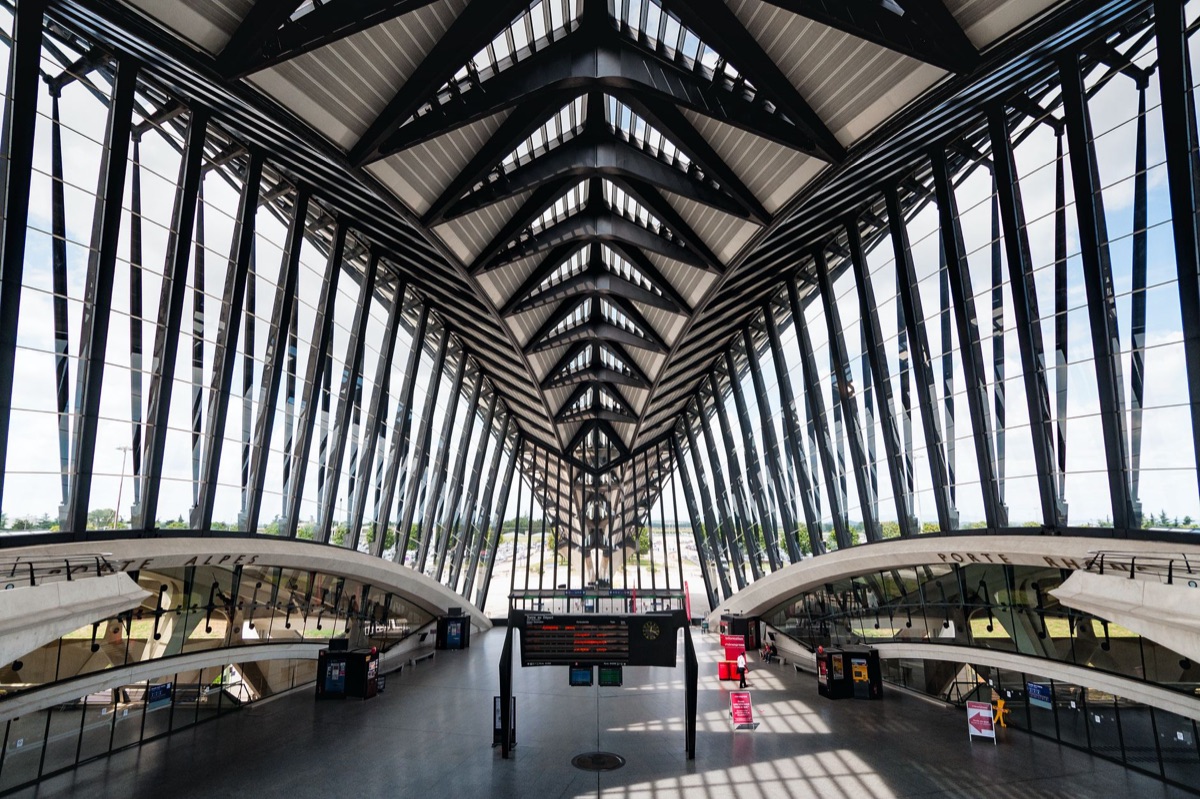
Don't be surprised if the security at a Chinese train station feels as intense as an international airport. Security is multi-layered and very thorough.
First, you will encounter a security checkpoint just to enter the station building. This involves luggage X-rays and metal detectors. Once you move toward the platforms, there is often a second, more detailed screening process. Be mindful of liquids or sharp objects, as regulations can be quite strict.
The most critical step is identity verification. At the gate, you will scan your physical passport to enter the platform area. While many major stations have implemented facial recognition technology for faster transit, I always recommend having your passport physically in hand to avoid any digital glitches at the turnstiles.
However, keep in mind that security protocols can vary. Large hubs like Beijing South or Shanghai Hongqiao are incredibly streamlined, but smaller provincial stations might have less English signage, so arriving 45 minutes early is a safe bet.

How do amenities and food work on board?
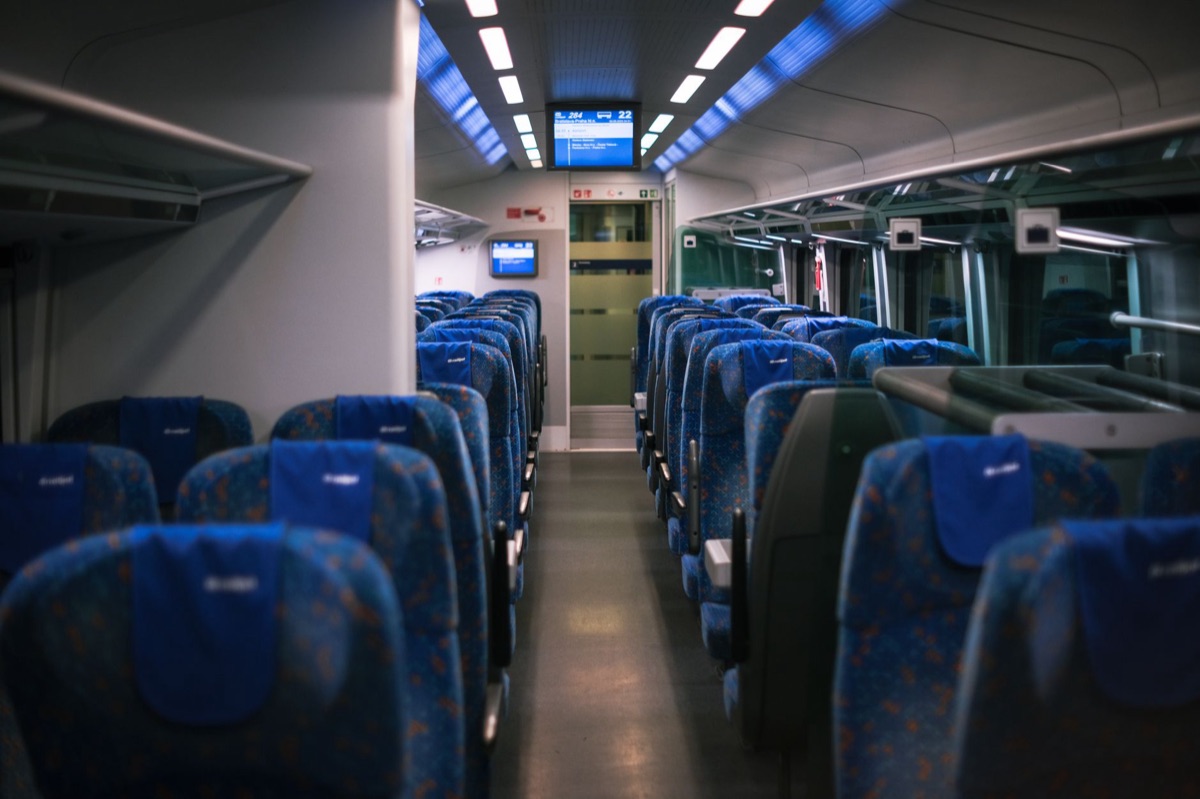
The interior of a CRH train is remarkably modern and comfortable. Most seats come equipped with power outlets for your devices, and Wi-Fi is generally available throughout the journey (though you may need a local number or specific app to authenticate).
When it comes to eating, you have two main options: * On-board Cart Service: Attendants walk through the aisles selling snacks, bottled water, and instant noodles. * Pre-purchased Meals: Most locals buy "bento-style" lunch boxes at station convenience stores before boarding.
While on a high-speed line between Chengdu and Chongqing, I sat by the window with a hot cup of tea, watching the lush Sichuan landscape fly by at 300 km/h. The seats were clean, the table was sturdy enough for my laptop, and the ride was incredibly smooth. Just a tip: avoid bringing foods with very strong odors to be respectful of your neighbors in the quiet cabin.
How do I get around once I arrive?
Large high-speed rail stations are often located on the outskirts of major cities rather than in the heart of downtown. You need a plan for that "last mile."
* Metro/Subway: This is usually the fastest and cheapest way to reach the city center. Most major hubs are directly connected to the local metro lines. * Ride-Hailing (DiDi): If you have heavy luggage, download the DiDi app. You can link your Alipay or WeChat Pay to it, allowing you to call a car without needing to speak much Mandarin. * Buses: Extremely cheap, but the routes can be confusing for non-locals. I wouldn't recommend buses unless you are comfortable using a local map app like Amap (Gaode) to navigate stops.






Comments 0