Here are 3 essential things you need to know about local waste disposal policies and practical tips for traveling in China.
Navigating Trash Disposal in China: A Practical Guide for Travelers
Public trash disposal practices in China differ significantly from those in Korea. In most cities, finding public trash cans can be challenging, and recycling systems are not always well-organized, which can lead to confusion for foreign visitors. This article provides practical strategies for dealing with trash during your trip to China, along with three key policies observed in the field.
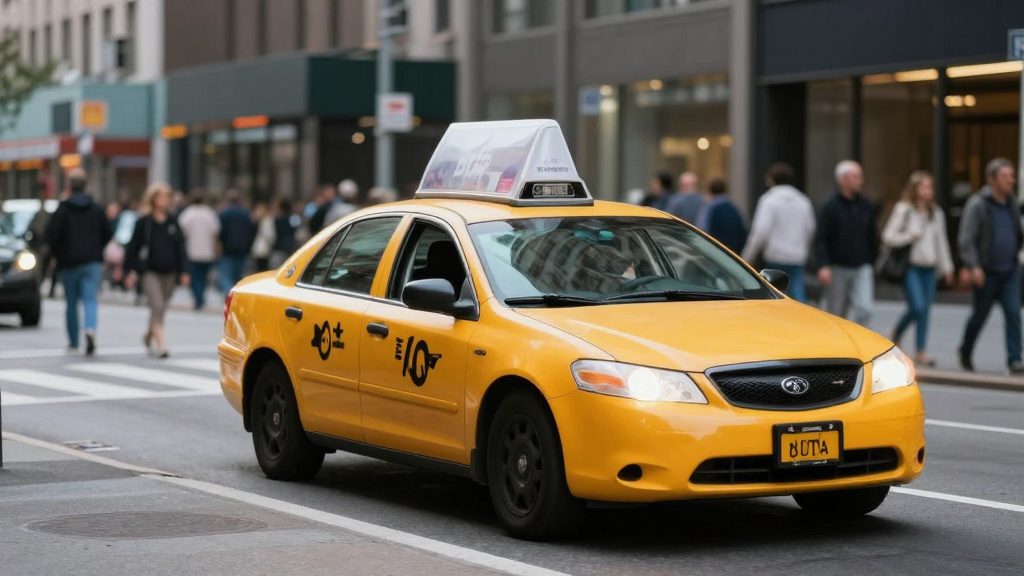
Where Can You Find Trash Cans in Chinese Cities?
Most parks and historical sites in China have very few trash cans. In particular, major tourist areas in cities like Shanghai, Beijing, and Guangzhou (e.g., the Oriental Pearl Tower, the Forbidden City, Canton Tower) make it difficult to find a trash can even after walking 100 meters. While subway stations have trash cans every 10-20 meters, parks and sidewalks may only have one can for every kilometer.
Furthermore, trash classification standards vary by region, so what might be considered "general waste" in one area could contribute to environmental pollution.
How Should You Dispose of Trash?
You should always carry your own trash with you. Many local residents also keep their trash in bags and bring it back to their homes or apartments. For example, 70% of tourists visiting West Lake Park in Hangzhou use portable trash bags because there are no public trash cans available.
Also, China's recycling standards differ from those in Korea. For example, plastic bottles can only be recycled if the cap is removed and the bottle is clean. They cannot be placed in general waste bins for recycling.
And food waste should never be left on the street. According to a 2023 survey by the Beijing Municipal Government, illegally dumping food waste can result in a fine of 50 yuan (approximately 9,500 won) per incident.
How to Handle Trash in Hotels and Cafes?
Most hotels do not provide trash cans in the rooms. Mid-range or higher hotels (e.g., Grand Mirage, Hilton China) may have a shared trash can in the hallway, but there will not be one in your room, so you should bring trash bags to store waste under your bed or in the closet.
In cafes, some chain stores (e.g., Chaopu, Funtings Coffee) have trash cans, but in most cases, customers are responsible for taking their trash with them. For example, Chaopu offers a "2 yuan bonus for returning your drink bottle," which encourages customers to take their trash with them.
There are significant regional differences; cafes in Zhejiang province may have a trash can within 10 meters, while cafes on the outskirts of Guangzhou may be more than 50 meters away from a trash can.
What are China's Trash Classification Standards?
China has four basic categories for trash classification: - General Waste: Tissues, paper scraps, food packaging (including 일반 plastic). - Recyclables: Paper, glass bottles, aluminum cans, clean plastic bottles. - Hazardous Waste: Batteries, electronic devices, chemicals. - Food Waste: Food scraps, fruit peels (primarily separated in restaurants).
Key Point: Starting in 2024, many cities across China are expanding the use of smart trash can systems. For example, in Shenzhen, trash cans have card recognition features that award points for proper recycling. Accumulating 10 or more points earns you a shopping card.
Also, some parks in Huangshan (Anhui province) have cameras installed on trash cans that play a warning sound if someone illegally dumps waste.
Frequently Asked Questions
Q: What should I do with a plastic bottle if I can't find a trash can? A: Keep it in your bag or return it to a cafe or restaurant. Some businesses offer a "deposit refund" system (e.g., Chaopu offers 2 yuan per bottle returned).
Q: Where should I dispose of food waste after eating? A: Never leave food waste on the street. Use the trash can in the restaurant, or return it to a nearby restaurant. Otherwise, you may be fined more than 50 yuan.
Q: I'm not sure about trash classification in China. Where can I find information? A: Classification guidelines are posted on public trash cans in Chinese and English. Major tourist areas in Shanghai and Hangzhou also provide visual guides through smart trash can recognition apps (e.g., "Baishui" or "Santai").
Key Takeaways
- More than 80% of parks and historical sites in Chinese cities do not have trash cans. It is essential to bring portable trash bags.
- Illegally dumping food waste can result in a fine of more than 50 yuan, and some cities operate camera surveillance systems.
- Recycling standards differ from those in Korea. Plastic bottles can only be recycled if the cap is removed and the bottle is clean.
Prepare for your trip to China by reviewing this guide. By minimizing inconvenience related to trash disposal and respecting local customs, you can have a more enjoyable and responsible travel experience.
Related posts
How to Drink Soju in China: 7 Practical Tips More Important Than the Taste.
Troubleshooting electrical outlet issues in China: Practical tips to fix them in 10 minutes.
A city where a bottle of soju costs just 100 won: How to enjoy China safely.
Choosing between the Autonomous Region for Nationalities in China and Shanghai: Key factors to consider when planning your trip to China.
Popular posts
How to Drink Soju in China: 7 Practical Tips More Important Than the Taste.
Troubleshooting electrical outlet issues in China: Practical tips to fix them in 10 minutes.
A city where a bottle of soju costs just 100 won: How to enjoy China safely.
Comments 0