30 to 90 days: Visa guide for Live like a local in China
"I spent 14 days traveling across China, and I can confidently say it’s one of the most fascinating yet complex countries I’ve ever visited."
This guide covers essential visa timelines, walking routes through historic hutongs, and the nuances of cultural immersion.
* Navigate historic areas like Nanluoguxiang on foot. *
How can I manage my visa and legal stay?
A traveler stands at a busy consulate, clutching a folder of documents while waiting for a window to open. Planning your entry requires foresight to ensure your transition into the country is seamless and legal.
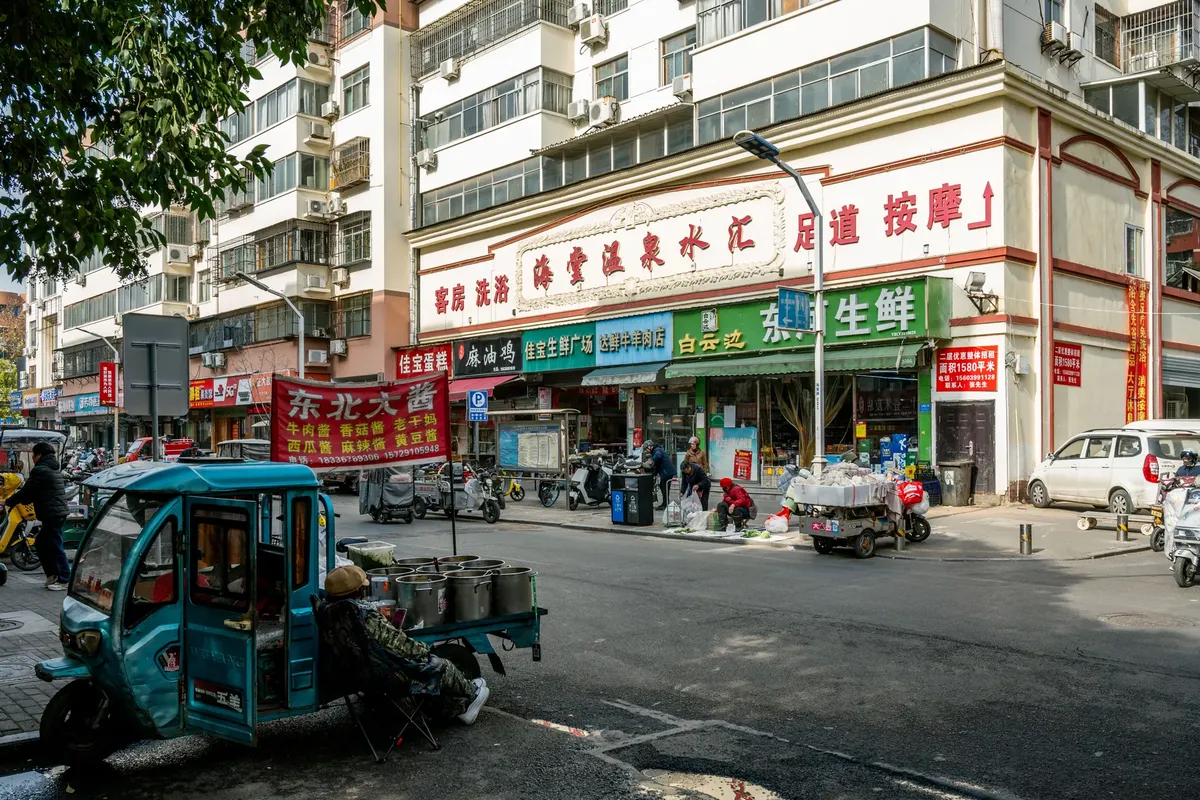
Chinese customs authorities recommend applying for your visa 30 to 90 days before your intended date of travel. This window allows for processing and ensures you have the correct documentation before arrival.
Once you are on the ground, staying compliant is the priority for anyone looking to live like a local in China.
Failure to monitor these timelines can lead to complications with future travel or legal status.
Always verify your specific visa conditions against the local regulations provided upon entry.
What are the best ways to explore historic neighborhoods? Live like a local in China
Walking through a narrow alleyway, the scent of street food fills the air as sunlight hits the weathered brick walls. Exploring the hutong network is a primary way to experience the authentic atmosphere of an ancient city.
A logical walking route begins at the Drum Tower. You can climb the tower for views over the hutong rooftops, which costs approximately ¥30. From there, the south entrance of Nanluoguxiang is only about 10 minutes south of the Drum Tower.
If you are starting from the Bell and Drum Towers, the south entrance of Nanluoguxiang is a logical combination in either direction. You can spend 2–3 hours browsing the area, or if you are in a hurry, it takes about 20 minutes to walk end to end without stops.
This area offers a deep sense of history that helps you master local culture.
How do I navigate the hutong walking routes?

A traveler maps out a route on a paper map, tracing lines between the Forbidden City and the surrounding residential lanes. Understanding the spatial relationships between landmarks makes navigating the city much easier.
The hutong network offers various starting points depending on your current location. For instance, you can walk from the Forbidden City to certain areas in about 25 minutes northeast through the hutong network. This is often considered a pleasant walk for those interested in architectural history.
Other routes include walking from Houhai/Shichahai, which is about 15 minutes east along Yandai Xiejie and the connecting lanes. Understanding these distances helps in building local relations by allowing you to move through the city at a human pace.
What are the practical steps for a smooth journey?
A traveler checks their phone and adjusts their bag before stepping out into the bustling morning street. Preparing for the logistical realities of travel ensures that you can focus on the experience rather than the stress of movement.
According to World Bank data, China recorded GDP per capita of US$13,862 in 2025.
To organize your trip effectively, follow these steps:
- Apply for your visa 30 to 90 days before your intended travel date. 2. Map out walking routes, such as starting at the Drum Tower and moving toward Nanluoguxiang. 3.
I used these steps to manage my own movements during my travels. Mastering the balance between transit and exploration is key to living like a local in China.
| Activity | Estimated Time/Cost |
|---|---|
| Climbing the Drum Tower | ¥30 |
| Walking from Forbidden City | 25 minutes |
How can I overcome language and navigation barriers?

A traveler looks up at a subway sign, trying to match the characters to their destination on a map. Overcoming language barriers and navigating complex transit systems are common challenges for visitors.
While digital tools are helpful, understanding the physical layout of a city helps in overcoming language barriers. For example, knowing that Nanluoguxiang is near the Bell and Drum Towers allows for easier movement. Using the metro, such as Metro Line 6 or 8, can also be a part of your routine.
In the Nanluoguxiang area, the best times to visit are weekday mornings between 10am and 12pm or evenings after 6pm. Navigating these schedules helps you avoid the heaviest crowds while still experiencing the local lifestyle secrets.
What are the limitations of local travel?
A traveler pauses at a street corner, looking at a map and realizing the distance to the next landmark is greater than expected. Every traveler must recognize that even the best-laid plans have constraints.
One limitation is that travel times and accessibility depend heavily on your starting point and the specific transit mode used. For example, a walk that takes 15 minutes from one area might take much longer if you stop to browse.
Additionally, staying within the legal bounds of your visa is a mandatory condition that limits how long you can remain in one place without official administrative action.

- To live like a local in China, you must balance careful administrative preparation with an openness to navigating intricate urban landscapes.
- Success requires managing your stay within legal limits, understanding the rhythmic pace of local neighborhoods, and being prepared for the complexity of a vast country.
- Key takeaways:
- * Plan visa applications 30 to 90 days in advance.
The same subject is also called China local life tips.
The same subject is also called Living in China guide.
The same subject is also called China lifestyle secrets.
The same subject is also called Local living in China.
This part also covers Mastering local culture.
Mastering local culture
Related
- Visa application 90 days before: Indian traveler China tips
- Beijing local life tips: 200,000 foreigners presence why
How does the journey compare to a guided tour?
- The self-guided journey allows for a deeper immersion into the local rhythms of the city. 2. A guided tour, if undertaken, would likely cover the same physical locations but might offer immediate translation or logistical assistance. 3. The independent traveler must rely entirely on the planning done regarding the visa and the physical maps.
What cautions should I keep in mind during my spent days?
- The traveler must remain acutely aware of the Entry-Exit Administration Bureau's guidelines throughout the entire stay. 2. Spending the correct amount of time in the hutongs allows for a genuine cultural exchange, unlike a rushed visit. 3. The initial planning of the visa application must align with the actual time spent in the country to maintain compliance.
The 14 days spent traveling across China provided the author with a comprehensive view of the country's multifaceted nature.




Comments 0