Spicy food guide: Authentic spicy food guide
"To eat like a local is to understand the heat that defines the region."
Finding an authentic spicy food guide requires moving past tourist menus and into the heart of local dining culture. This guide explores how to navigate regional flavors, offers practical tips for managing heat, and identifies the cultural context of these culinary traditions.
This overview covers dining etiquette, how to handle intense spice, and the reality of regional variety.
How to find an authentic spicy food guide?
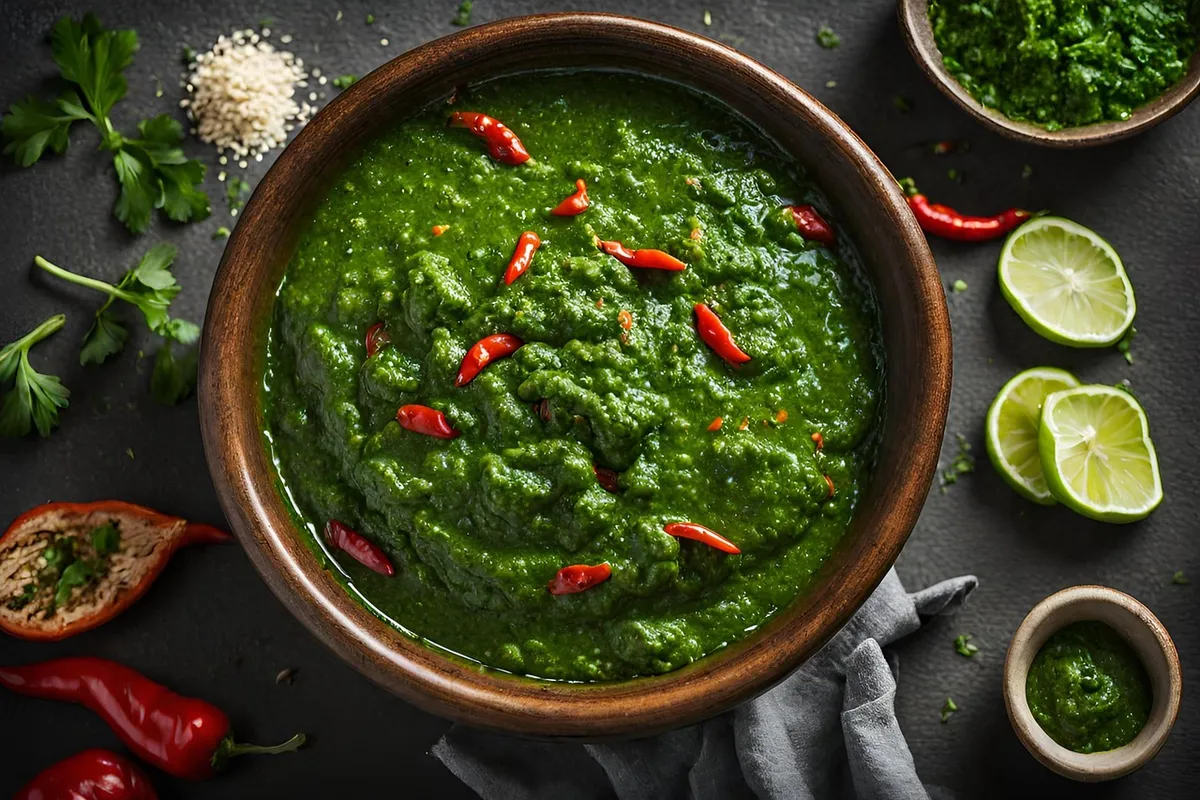
Walking through a bustling night market, the scent of Sichuan peppercorns and chili oil hits the air before you even see a stall. Finding an authentic spicy food guide means looking for places where the steam rises from heavy iron woks and the seating is crowded but lively.
You must look for restaurants that prioritize regional authenticity over mild, standardized flavors.
A true local experience often involves dishes that balance heat with other sensory elements like numbness or acidity. While some travelers seek out heat for the sake of a challenge, locals often view spice as a fundamental seasoning.
Learning to identify these flavor profiles helps you navigate different provinces.
Real spicy food places often hide in narrow alleys or second-floor apartments where the recipes remain unchanged for decades. These spots rely on high turnover and fresh ingredients to maintain their signature kick.
You should observe the crowds; if locals are queuing, the spice levels and seasoning are likely authentic.
What are the best local spicy food spots?
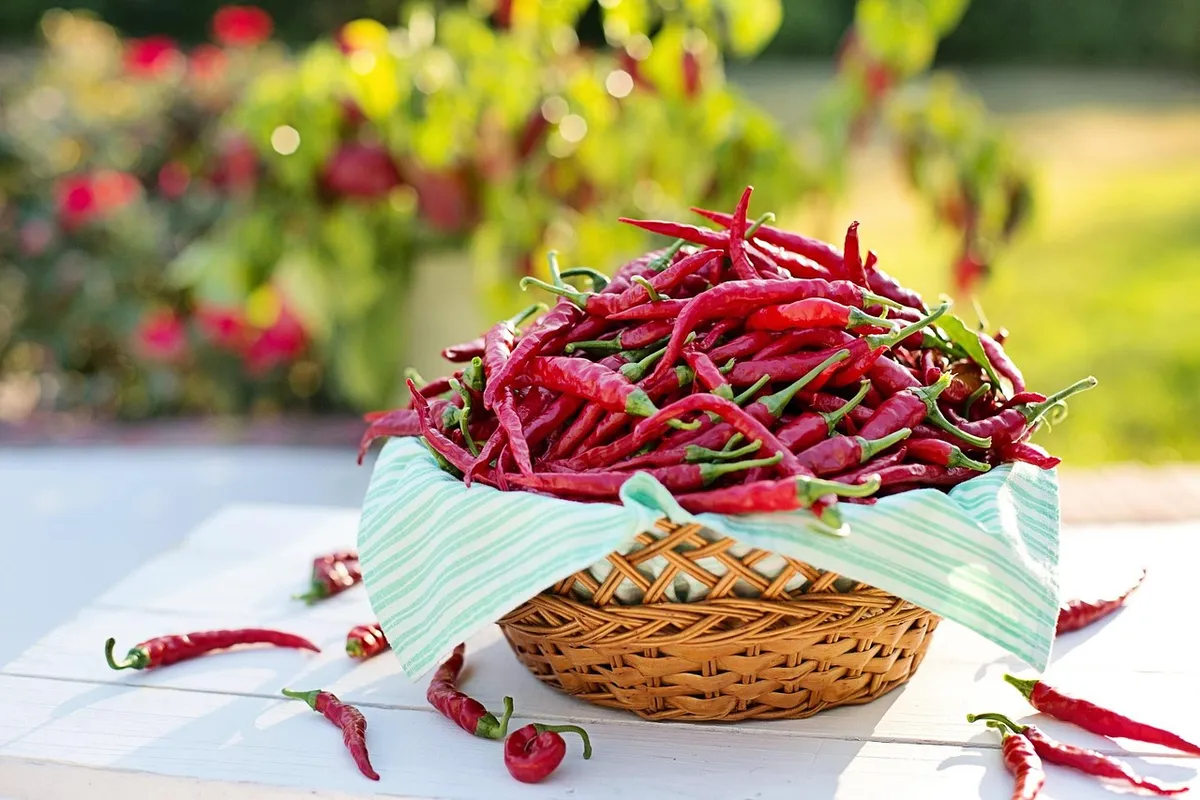
Stepping into a small, dim restaurant, you notice the red-tinted oils coating every surface and the sound of sizzling pans. Local spicy food spots are often characterized by their specialized menus, focusing on one specific type of heat, such as Hunan's dry chili or Sichuan's mala.
These locations are the heartbeat of regional cuisine.
The diversity of heat means that one person's meal is another's challenge. Some regions use fermented bean pastes to provide a deep, savory heat, while others rely on fresh green chilies for a sharp, bright sting. Understanding these nuances is key to finding the best spicy food eats.
Every city has its own signature heat, and finding these spots requires patience and curiosity. You might find that a spicy food guide leads you to a noodle shop in the morning or a hotpot house at night.
The goal is to find the balance between the intensity of the spice and the quality of the ingredients.
According to World Bank, the 2024 record includes 41.7%.
How to master a spicy local food guide?
Sitting at a low table with a bowl of steaming noodles, you realize that managing heat is a skill in itself. According to World Bank data, China recorded a total population of 1,406,585,000 in 2025.
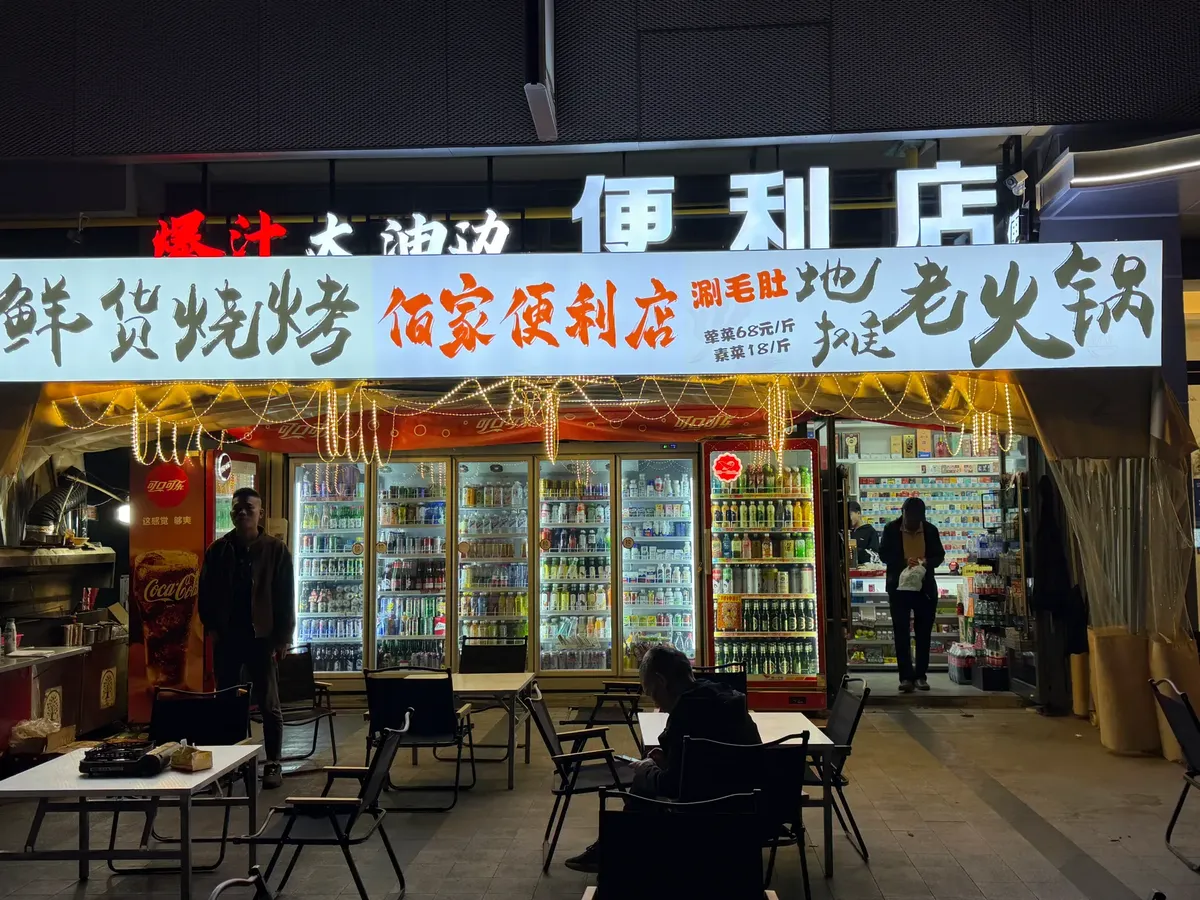
- Start with a small portion of the spice to test the intensity and flavor profile of the dish. 2. Pair your meal with cooling side dishes, such as pickled vegetables or cucumber, to temper the heat. 3. Always have a beverage like tea or milk nearby to soothe your palate between bites.
I found that testing the heat level through small bites allowed me to enjoy the complex seasonings without being overwhelmed. A final check involves ensuring the spice does not mask the natural flavor of the primary ingredients.
Can anyone enjoy these spicy food locations?
Scanning a menu filled with fiery red peppers, you might wonder if the heat is manageable for your palate. While many people enjoy the thrill, the intensity can vary wildly between different regional styles. An authentic spicy food tour requires an open mind and a prepared stomach.
Some people find that certain spice levels are too much for a full meal, making it difficult to eat much. However, many dishes use spice to enhance, rather than replace, the taste of the meat or vegetables. Knowing how to adjust your own spice level with extra seasonings can help.
A limitation of seeking out these flavors is that extreme heat can occasionally mask the subtle nuances of high-quality ingredients. This is especially true in dishes where the chili is the primary focus rather than a secondary seasoning.
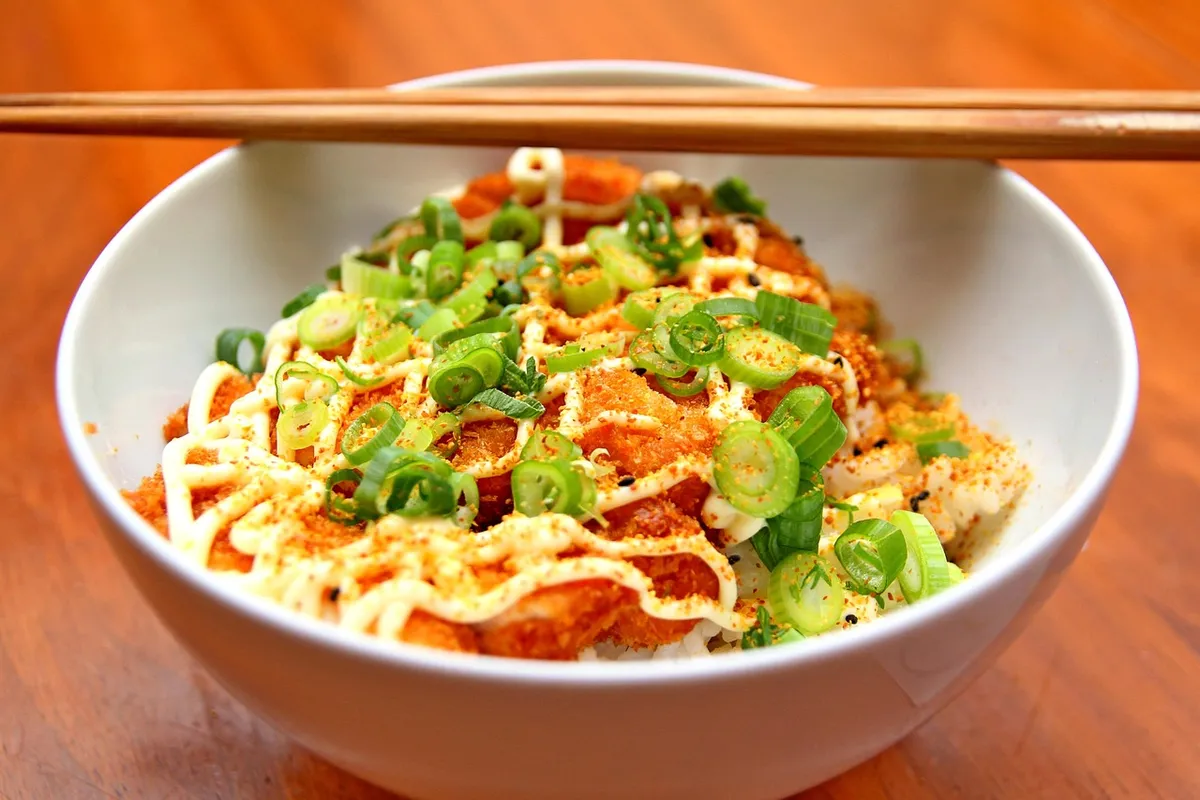
Wikipedia: Standard Chinese Based on the retained excerpt mentioning Chinese Ministry of Education: A 2007 survey conducted by the Chinese Ministry of Education indicated that 53.06% of the population were able to effectively communicate using Standard Chinese.
- How to find an authentic spicy food guide?
- What are the best local spicy food spots?
- How to master a spicy local food guide?
This part also covers Eat like a local spicy.
This part also covers Top spicy food locations.
Eat like a local spicy
Related
- China expensive tourist spots: Manage transit time costs
- Local eats in China travel: Find authentic flavors guide
How to manage the heat like a local?
Managing the heat requires a careful approach to ensure the spice does not overwhelm the palate. You can manage the intensity by following specific procedures to balance the flavors.
- Test the heat level by starting with a small portion of the dish. 2. Use cooling side dishes like cucumber or pickled vegetables to temper the sting. 3. Keep a beverage such as milk or tea nearby to soothe your mouth.
If the spice level is too high, you can adjust your experience by using these cooling sides. Comparing the heat of a fresh chili to a fermented paste helps you understand the different types of intensity you might encounter.
You should always check if the spice masks the primary ingredients before consuming a full portion. This caution ensures you enjoy the complex seasonings without being overwhelmed by the heat.

Comments 0