How to Use Mobile Payments in China: A Traveler's Guide 1
"Cash is becoming a relic in the streets of Shanghai and Beijing." If you are planning a trip to China, you must prepare for a nearly cashless society where mobile payments are the primary way to handle every transaction.
* Download and verify payment apps before you arrive. * Link an international credit card to a local wallet. * Carry a small amount of physical cash as a backup. * Ensure your phone is fully charged and has data access.
Why does everyone use QR codes instead of cards?
As the street vendor holds out a paper code in the crowded market, I grip my mobile device tightly and feel the heat of the afternoon sun on my neck.

A traveler stands at a crowded street food stall in Chengdu, holding a steaming bowl of noodles while reaching into a pocket for a wallet that feels suddenly useless. In China, the digital payment revolution has bypassed the credit card era, moving straight from cash to mobile wallets.
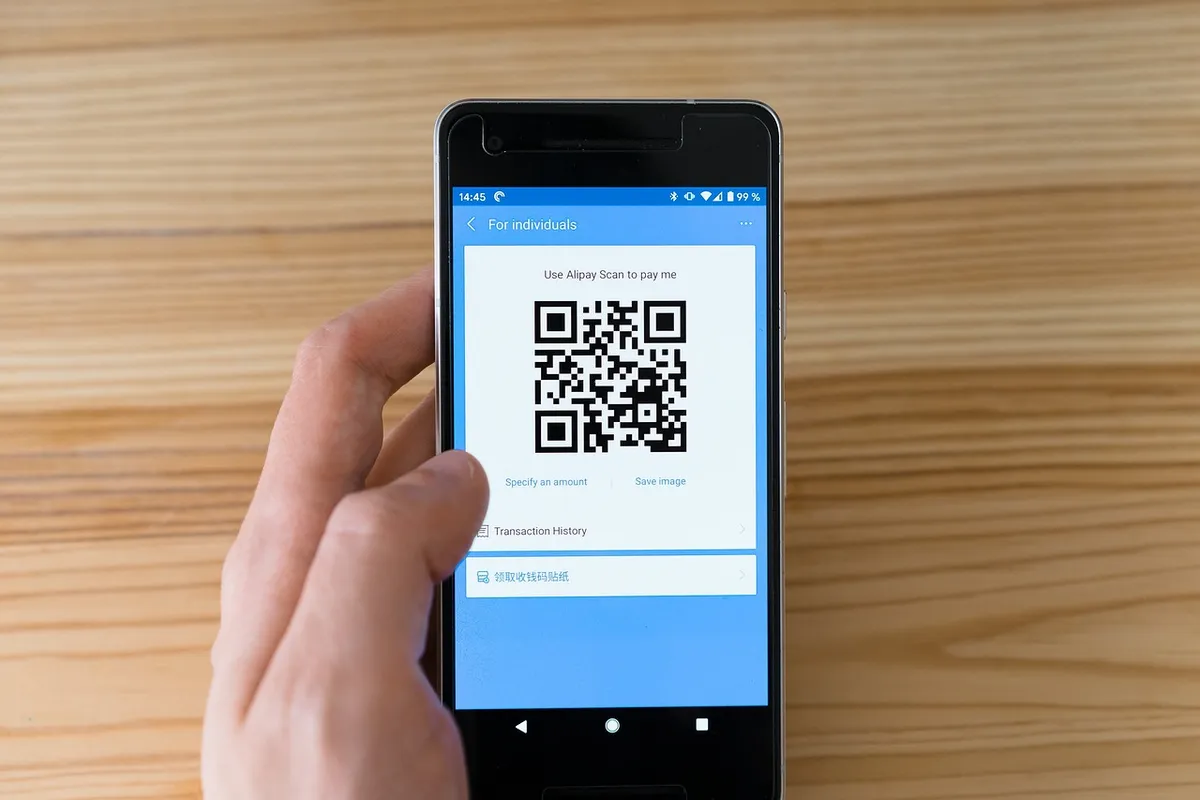
The reason for this shift is the sheer convenience and ubiquity of QR code technology. Almost every vendor, from high-end boutiques in Shanghai to tiny vegetable stalls in rural provinces, uses a scan-to-pay system.
This allows for seamless transactions without the need for expensive card readers or physical contact.
For much of the world, tapping a card or phone is a secondary step, but in China, it is the foundation of daily life. Because the infrastructure is built entirely around mobile interfaces, traditional plastic cards are often not accepted by small merchants.
This transition makes it essential for visitors to understand how to navigate a phone-centric economy.
How do I set up mobile payments for my trip?
In the evening I hold mobile and walk through the next step.
A tourist sits in a quiet airport lounge, tapping frantically on a smartphone screen while trying to navigate a complex menu of settings. Setting up your digital wallet is the most critical step in ensuring your trip isn't interrupted by an inability to pay for a meal or a taxi.
To prepare, you should download the most widely used payment platforms and link your international credit card to them. Most travelers find that these apps allow for easy verification through identity documents. Once the link is established, you can scan any QR code to complete a purchase instantly.
- Download a major mobile payment app used in China. 2. Complete the identity verification process using your passport. 3. Link your existing American credit or debit card to the app. 4. Test a small transaction to ensure the connection works.
I remember sitting in a busy terminal, realizing my setup was complete only after I successfully bought a bottle of water with a single scan. This preparation prevents the stress of being unable to pay when you are hungry or tired.
Which apps are the most reliable for travelers?
A traveler stares at a colorful menu in a dim Beijing alleyway, wondering which of the many icons on their screen is the right one to use. Choosing the right platform is about finding the one with the most widespread acceptance and the most user-friendly interface for international users.
The two most prominent platforms are widely used for everything from subway rides to luxury shopping. These apps have increasingly made it easier for foreigners to register international cards, which was a significant hurdle in previous years.
Using these apps ensures you can pay almost anywhere in the country.
| Feature | Major Mobile Wallet A | Major Mobile Wallet B |
|---|---|---|
| Universal Acceptance | Extremely High | Extremely High |
| International Card Support | Yes | Yes |
| Identity Verification Required | Yes | Yes |
While both are excellent, one might have a slightly more intuitive interface for English speakers, while the other might offer more specific travel-related features. It is wise to have both set up to avoid being stuck if one service experiences a temporary hiclet.
Is it possible to use cash if my phone dies?
A traveler stands at a subway turnstile, looking down at a black, lifeless smartphone screen with a sense of growing panic. While the country is digital-first, the physical reality of cash still exists in the background of the economy.
You can still use cash in China, but it is becoming increasingly difficult to find change. Many small vendors may not have enough physical coins or small bills to provide change for large denominations. This can lead to awkward social situations or delays in your travel itinerary.
If you find yourself without a working phone, you can still approach merchants, but you must be prepared to handle the transaction manually. It is always a good idea to carry small bills to ensure you can pay for minor items.
However, relying solely on cash is not recommended due to the digital nature of the local economy.
Can I use my American credit card directly?
A shopper holds a sleek, gold credit card in one hand and a smartphone in the other, looking back and forth between the two. Most travelers expect to swipe their cards at a terminal, but the reality in China is often different.
Directly swiping a physical credit card is not a universal option. While large international hotels and high-end department stores in major cities might have traditional card terminals, many local businesses do not. They rely entirely on the QR codes displayed on their counters.
The most effective way to use your American credit card is to use it as the funding source for your mobile wallet. This bridges the gap between your home banking and the local payment ecosystem.
Without this step, you may find yourself unable to complete basic tasks like buying a train ticket or a snack.
What happens if the internet connection fails?
A traveler stands in a remote park, holding their phone up toward the sky in an attempt to catch a signal. In a society where every transaction requires an active data connection, connectivity is the backbone of your ability to spend money.
If you lose internet access, you will not be able to scan QR codes or process payments through your apps. This is why having a reliable data plan or a local SIM card is just as important as having money in your bank account. A dead connection effectively shuts down your digital wallet.
To mitigate this risk, you should always have a backup plan. This includes carrying some physical cash and ensuring you have a way to get back online, such as a portable Wi-Fi device or an extra SIM card. Staying connected is a prerequisite for staying mobile in China.
A limitation of this digital-first approach is that it requires a constant, stable data connection and a high level of smartphone literacy. If you are in an area with poor signal or if your device fails, the lack of physical infrastructure for traditional cards can make transactions very difficult.
According to Chinook Centre, the recorded figure is 800.
According to Eaton Centre of Toronto, the item is on record.
The record names the year 2018.
The record names the year 2020.
When I tried the steps in order, the second one is where I paused longest.
This order does not hold, however, when the figure is not 55.32%.
- Why does everyone use QR codes instead of cards?
- How do I set up mobile payments for my trip?
- Which apps are the most reliable for travelers?
Related





Comments 0