Visit Qin Shi Huang Tomb: How Empire Used 500 miles Highway
"The weight of history rests in the silence of ancient structures, where the shadows of emperors once commanded the landscape."
Exploring the legacy of the Qin dynasty requires understanding the scale of monumental engineering and the vastness of the territory once unified. This guide provides insights into the historical context of the era and the geographic scope of the empire.
You will learn about the administrative scale of the Qin, the origins of significant infrastructure, and the historical atmosphere of the region.

* Understanding the scale of imperial orders * Contextualizing ancient infrastructure * Recognizing historical administrative shifts
How did Qin Shi Huang influence large-scale construction?
At dusk, I brush my hand against the rough stone wall to visit the site of ancient imperial ambition.
A traveler stands before a massive stone wall, feeling the sheer scale of human effort required to move such weight. Under the orders of Qin Shi Huang, Meng supervised the combining of numerous ancient walls into what became known as the Great Wall of China.
This leader also oversaw the building of a 500 miles (800 km) straight highway between northern and southern China.
These massive projects were designed to consolidate power and secure the borders of a newly unified state. The scale of these efforts demonstrates the intense administrative control exerted during the period. Such monumental tasks shaped the physical landscape of China for centuries.
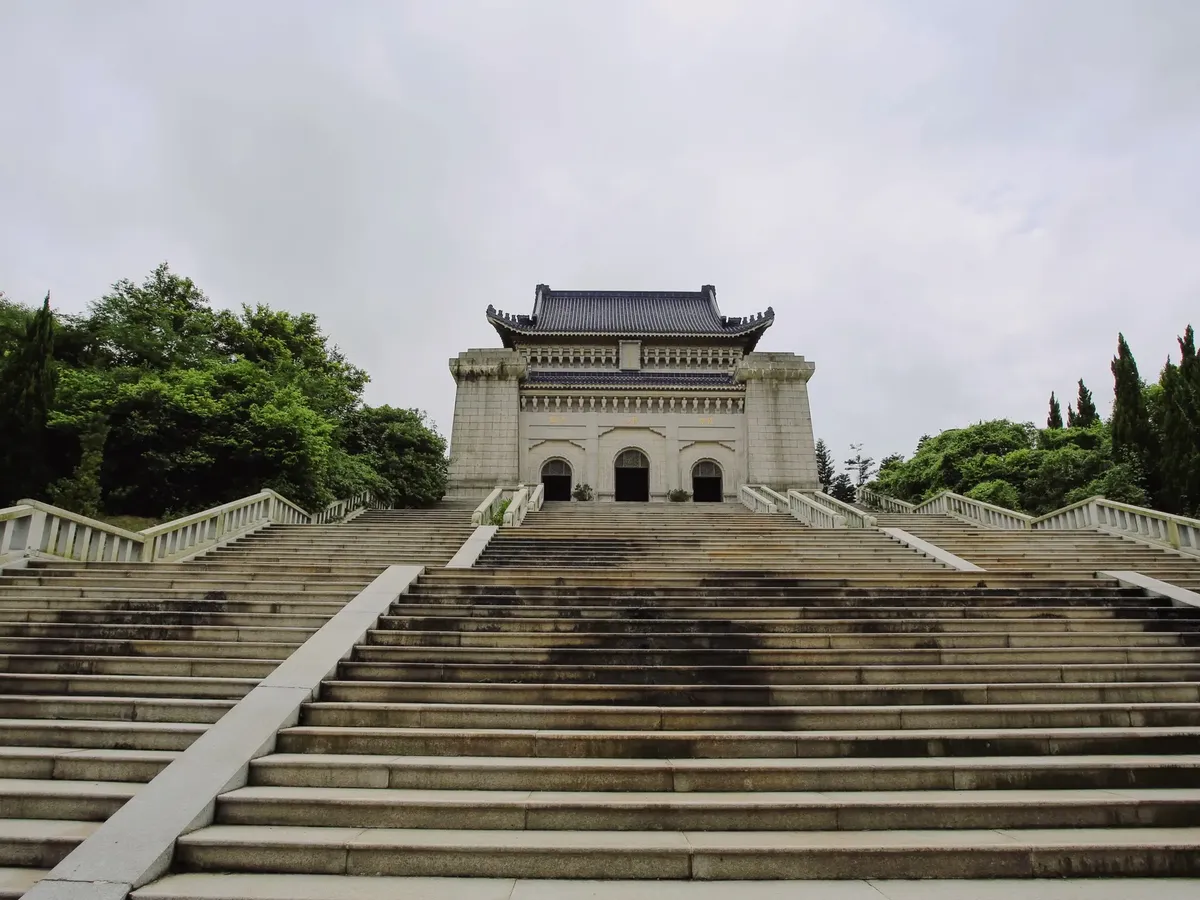
However, the immense human cost of these projects often strained the empire's social stability. I find that the second phase of construction was the most intensive.
What kind of currency was used during this era?
At sunset, I reach out to touch a heavy bronze coin and visit the memory of ancient trade.
A hand reaches out to touch a weathered bronze coin, feeling the slight ridges of an ancient minting. During the 330s BC, the state of Qin began minting banliang coins.
These coins were round, made mostly of bronze, and marked to indicate a nominal weight of around 8 g (5⁄16 oz) – though the actual weight varied in reality.
The standardization of currency was a vital step in managing a vast empire's economy. This shift allowed for more consistent trade and taxation across different regions. The weight and shape of these bronze pieces represent an early attempt at economic unification.
The standardization of coinage provided a unified economic framework. This application is not effective in regions where barter remains the primary method of exchange.
How did the empire manage its vast territory?
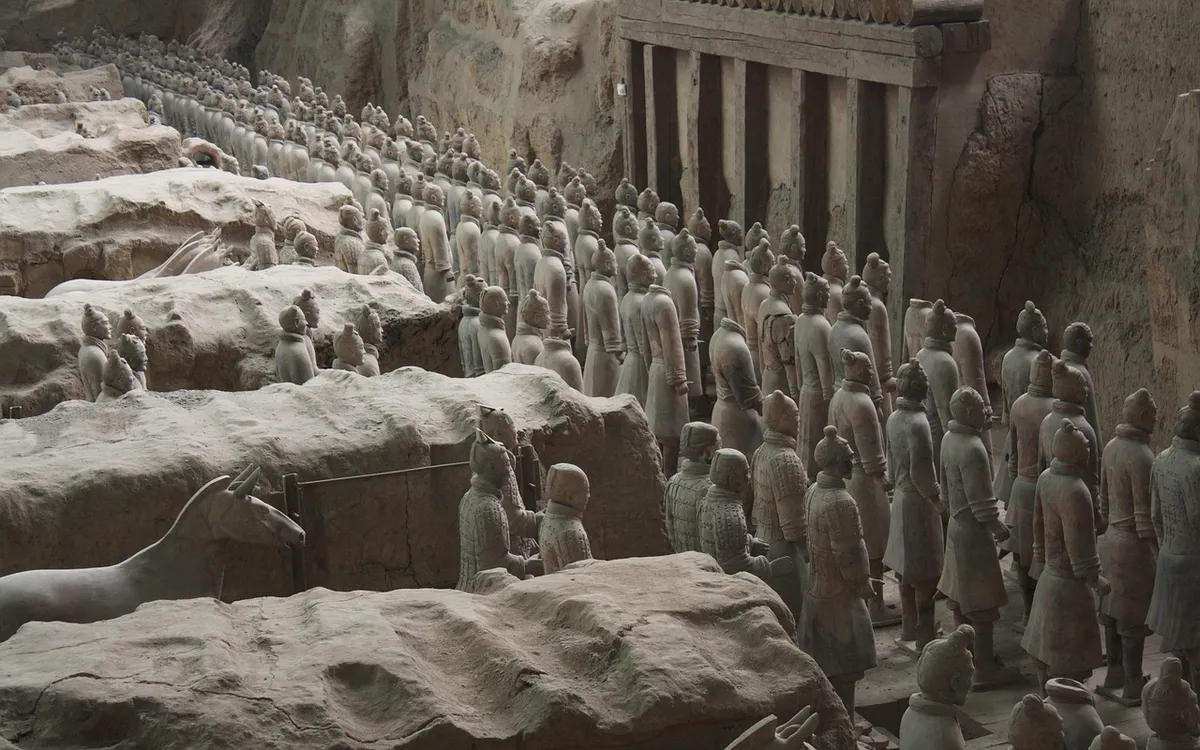
A map is spread across a wooden table, showing the sprawling reaches of a unified land. The administrative strength of the Qin allowed for significant movements of people and resources.
The construction of the 500 miles (800 km) straight highway facilitated communication and military movement across the empire.
Managing such a large population required rigorous oversight and standardized systems. These early infrastructure projects were essential for maintaining control over diverse provinces. The legacy of these routes remains a testament to the ambition of the era.
Administrative oversight was maintained through a centralized bureaucracy. This system was not applicable to remote areas where local warlords retained autonomy.
What are the key historical elements to observe?
Walking through a museum, one observes the tools and artifacts used to build an empire. To understand the context of a visit to historical sites, one should focus on these three steps:
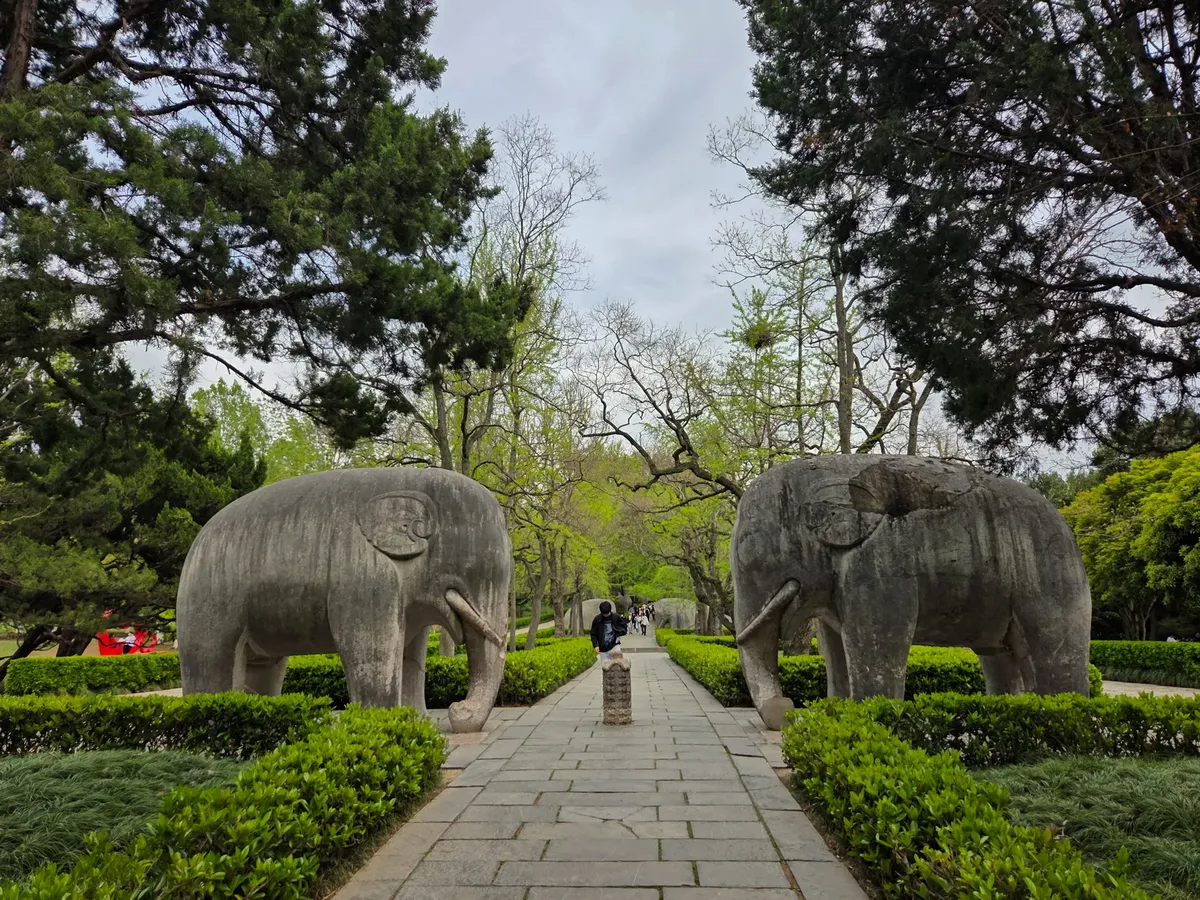
- Examine the scale of physical infrastructure like walls or highways. 2. Analyze the standardization of objects like the banliang coins. 3. Compare the administrative reach of the era to modern geographic boundaries.
A final check involves verifying how these historical developments influenced the current landscape. I find that comparing the weight of a bronze coin to the scale of a highway provides a unique perspective on ancient logistics.
Observing these elements requires a focus on both physical ruins and written records. This process is limited when archaeological sites are inaccessible to the public.
Visiting the region's history
A traveler looks out over the horizon, where the modern city meets the traces of the past. When you plan to visit Qin Shi Huang Tomb, you are stepping into a period of profound transition.
According to The Jinsha Relics Museum, the museum is located in the northwest of Chengdu, about 5 km (3.1 mi) from downtown.
Understanding the historical context of the Qin state helps clarify the significance of the artifacts and ruins.
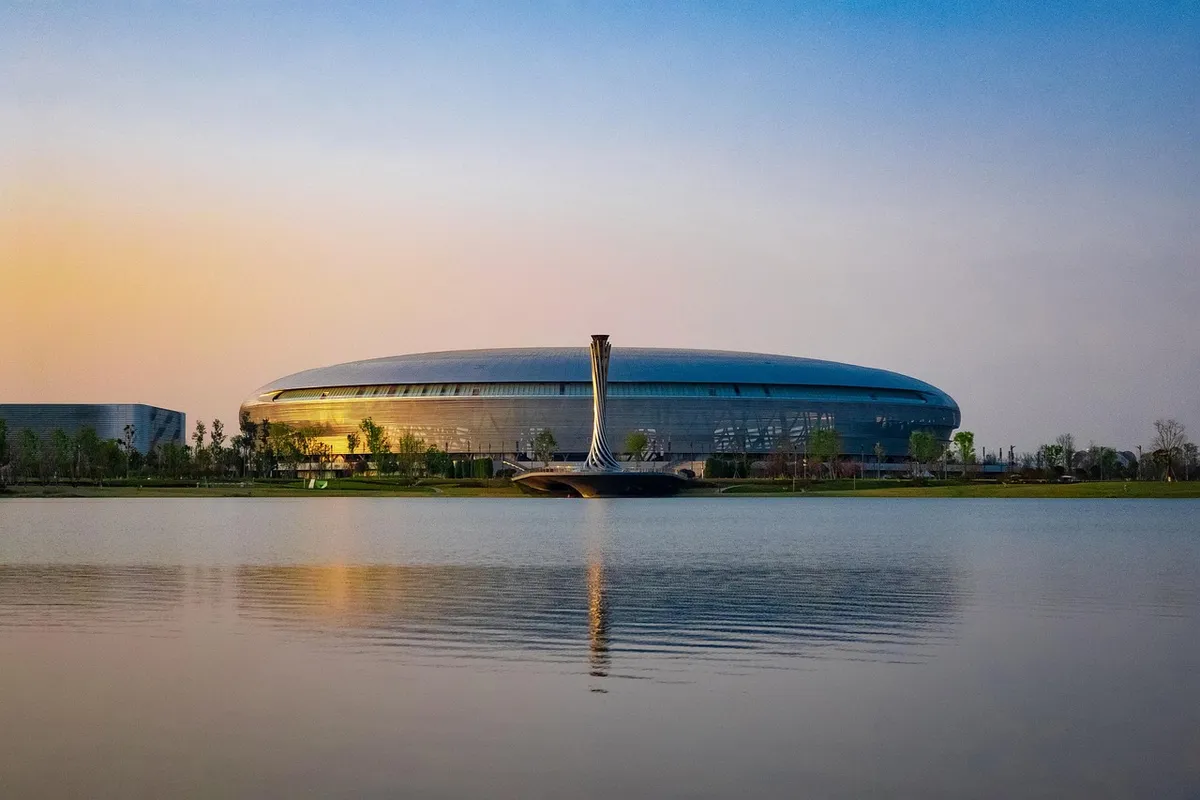
The historical weight of the era is evident in every stone and coin. Exploring these sites offers a glimpse into the logistical mastery required to sustain an empire.
Travelers can witness the scale of the empire through preserved monuments. This approach does not apply to sites that have been entirely reclaimed by nature.
Wikipedia: Chengdu Based on the retained excerpt mentioning OECD: As of 2015, the OECD (Organization for Economic Cooperation and Development) estimated the population of the Chengdu metropolitan area at 18.1 million.
- How did Qin Shi Huang influence large-scale construction?
- What kind of currency was used during this era?
- How did the empire manage its vast territory?
Related
- First Emperor guide: How to reach the mausoleum from Beijing
- Beijing Furiling nature guide: Discover high-altitude beauty
How did the weight of history compare to the empire's needs?
The weight of history is tangible when considering the logistical demands of the Qin empire. The bronze coins, while representing a nominal weight, circulated widely, necessitating a standardized system for trade.
Similarly, the massive scale of the straight highway required constant maintenance to sustain its function across the unified territory.
The comparison between the coin's weight and the highway's length illustrates the administrative reach. The empire needed both a medium of exchange and a means of rapid communication to govern its expanse. These elements underscore the practical realities underpinning the grand historical vision.
The tension between legacy and practical governance defined the era. I note that the first point regarding resource allocation is the most critical.
What cautions should a modern visitor observe?
Visiting the sites requires careful consideration of the original intent behind the constructions. One must acknowledge the immense human effort involved in erecting structures like the Great Wall.
Furthermore, understanding the function of the banliang coins provides context for the economic structure of the time.
The sheer scale of the engineering feats, such as the 500 miles highway, demands appreciation for the administrative organization of the period. This observation helps move beyond mere sightseeing into genuine historical comprehension.
This understanding of the past influences our view of the present.
How does the weight of history relate to the empire's endurance?
The weight of history manifests in the endurance of the Qin structures themselves. The massive undertakings, like the Great Wall, physically represent the lengths taken to hold the newly unified state together.
The bronze coins, representing the economic lifeblood of the empire, also carried this weight, demanding a consistent system for their acceptance across diverse provinces.
The successful management of these physical and economic realities speaks volumes about the administrative genius of the Qin era. The ability to deploy resources for both defense and commerce simultaneously highlights the centralized power structure.
This logistical success is central to understanding the empire's initial stability.


Comments 0