Beijing rail travel guide: How to move through dense transit
"Navigating a massive metropolitan rail network requires more than just a ticket; it requires an understanding of regional connectivity and urban scale."
Effective Beijing rail travel involves understanding the integration between local metro lines and regional high-speed networks to manage the city's vast scale.
This guide covers essential transit strategies, regional planning context, and tips for moving through one of the world's most competitive urban environments.
You will learn how to handle high-density passenger flows, the importance of regional connectivity, and the necessity of digital preparedness. Note that while these tips assist with transit, they do not account for real-time service disruptions or sudden maintenance closures.
How to master Beijing rail travel?
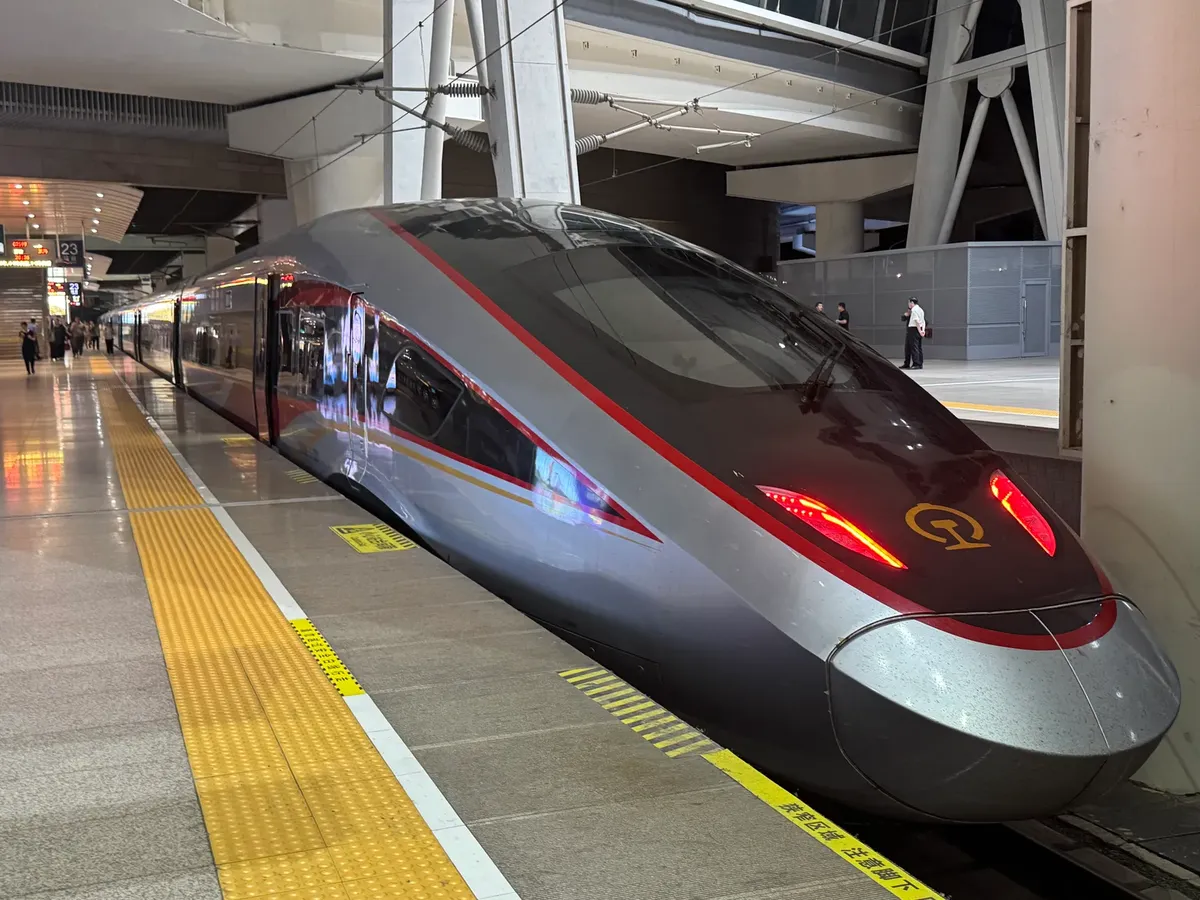
At dawn, I grip my transit card tightly while scanning the massive terminal signs to master the complexity of beijing rail travel.
A traveler stands at a crowded terminal, scanning the overhead signs to differentiate between local subway lines and intercity rail platforms. Success in this environment begins with recognizing that the transit system is built to support a massive, moving population.
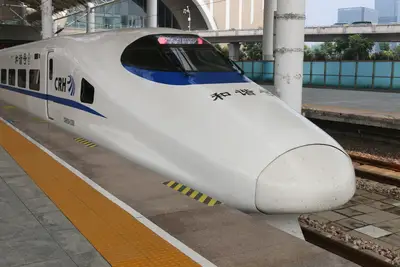
Effective Beijing rail travel relies on distinguishing between the local metro, which handles intra-city movement, and the larger rail networks that connect the capital to surrounding provinces.
Because the city serves as a massive hub, understanding the difference between a subway gate and a high-speed rail departure gate is critical for seamless movement. Using these distinctions allows for smoother transitions between different modes of transport.
- Download a reliable transit app to track real-time arrivals.
- Purchase a transit card or set up a mobile QR code for seamless entry.
- Familiarize yourself with the station layout before peak commuting hours.
How big is the local rail network? As the train rushes through a dark tunnel, I stare out the window to grasp the immense scale of local rail travel in beijing.
A commuter grips a handrail while a train glides through a tunnel, moving through the dense urban fabric of the capital. The sheer volume of people moving through these arteries highlights the necessity of efficient transit planning.
The scale of the network is reflected in its role as a global hub.
As of 2021, Beijing was ranked first globally in terms of "Global City Competitiveness" in the 2020–2021 Global Urban Competitiveness Report jointly released by the Chinese Academy of Social Sciences (CASS) and the United Nations Programme for Human Settlements (UN-Habitat).
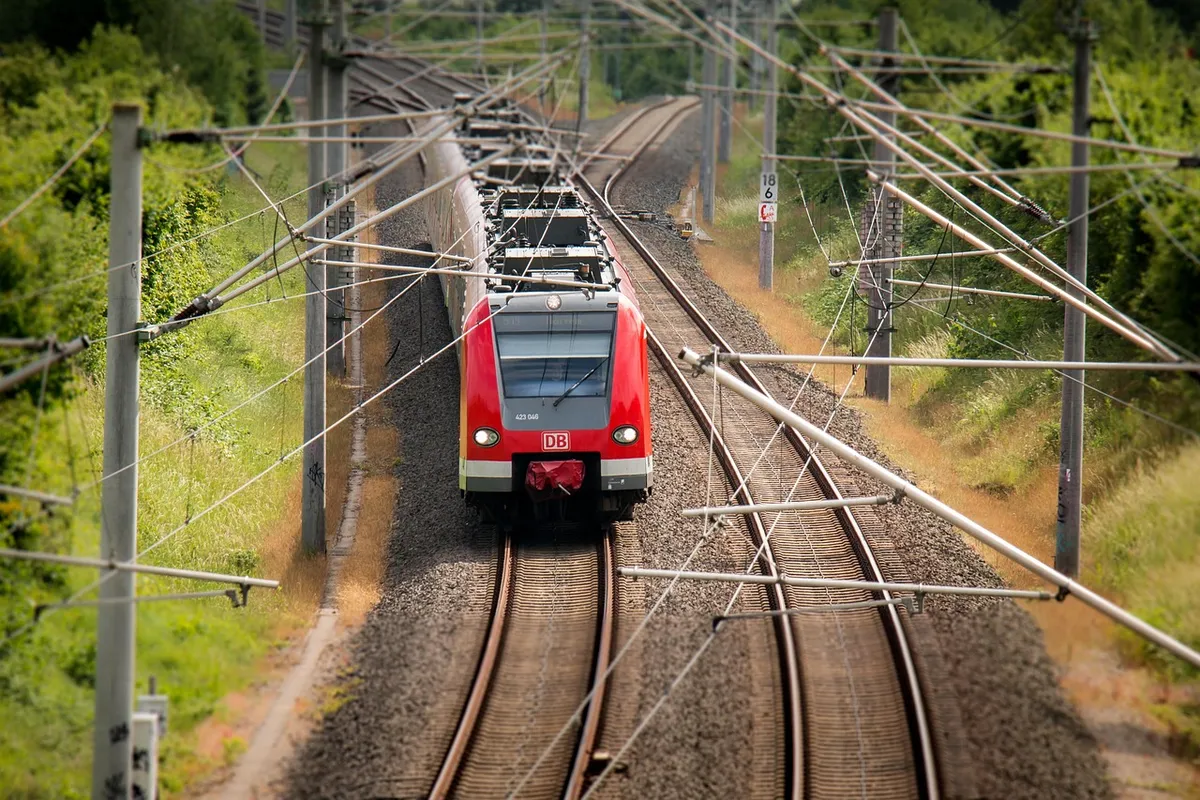
This high level of competitiveness is supported by an infrastructure designed to move millions of people daily. Managing these flows requires familiarity with station layouts and transfer points.
The network spans vast distances, connecting dense urban centers with sprawling suburban districts through an extensive web of lines.
According to World Bank, the 2025 record includes 91.6%.
How does regional planning shape Beijing's rail? A traveler looks at a map showing lines stretching far beyond the city limits, reaching toward Tianjin and Hebei. The lines on the paper represent decades of coordinated infrastructure development.
The complexity of the system is influenced by long-term strategic goals. In 2005, the media reported that the specific implementation plan for the Beijing-Tianjin-Hebei regional planning was expected to be released in March 2006 and then submitted to the State Council for approval.
This regional planning aims to integrate the capital with its neighbors, making the rail network a tool for inter-city economic cohesion. Understanding these connections helps travelers plan longer journeys that bridge the gap between different administrative regions.
The transit system is designed to integrate seamlessly with broader regional development, ensuring connectivity between the capital and surrounding provinces.
Using Beijing transit hacks for the mobile traveler
A person checks a smartphone while standing on a platform, preparing for the next leg of a journey. Digital tools are often the bridge between a confused tourist and a confident local. According to World Bank data, China recorded high-technology share of manufactured exports of 26.3% in 2024.
For those moving through the city, certain habits can simplify the experience. Beijing transit hacks often involve utilizing mobile applications to check schedules and digital payment methods to bypass ticket lines.
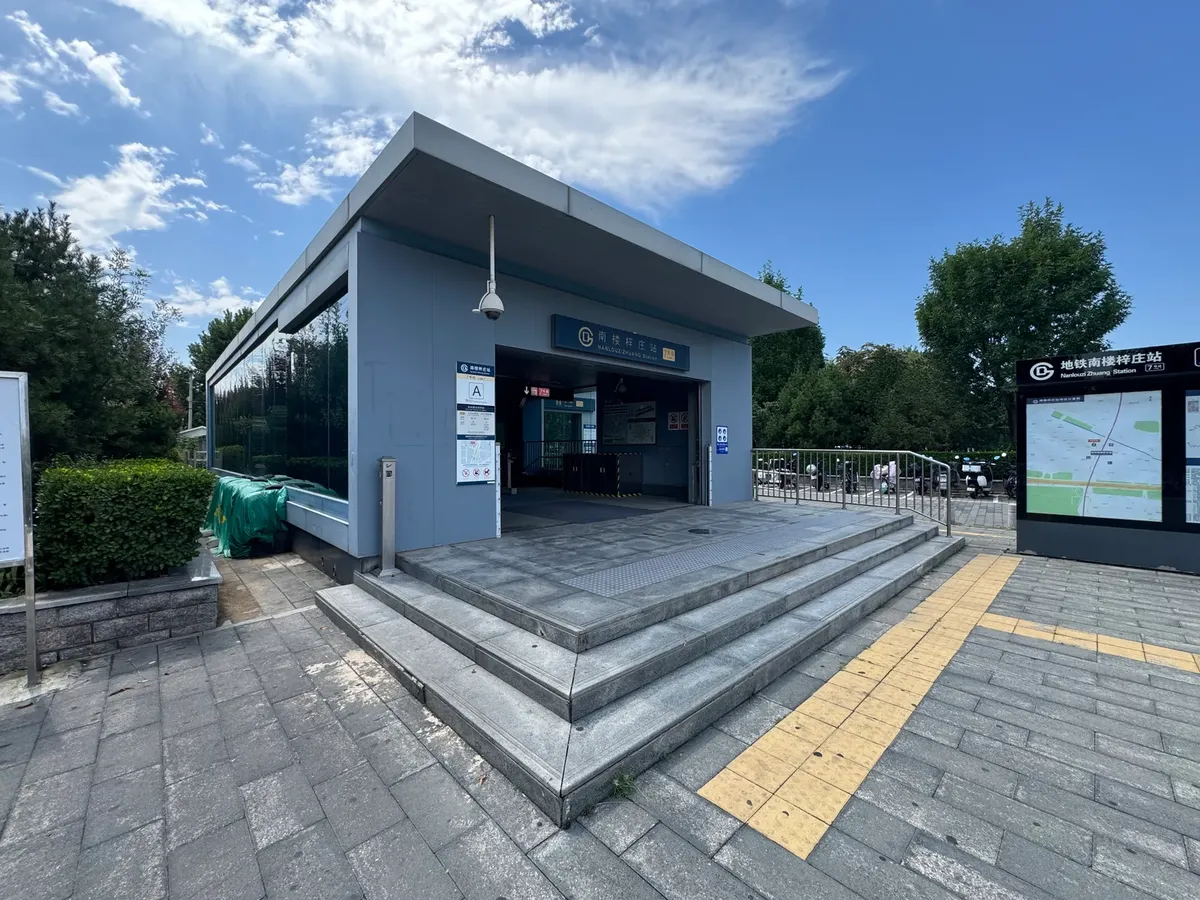
For example, many travelers rely on digital interfaces to navigate complex interchanges. Because the city hosts a diverse population, these digital tools help bridge language and logistical gaps.
Avoid the heaviest crowds by traveling just outside of rush hour and always look for signage indicating transfer directions to save time walking between platforms.
Connecting rail lines for long-distance trips
An individual walks through a wide concourse, moving from a local subway exit toward a massive high-speed rail departure hall. The transition between local and long-distance travel requires careful timing.
When connecting rail lines, the physical distance between stations can be significant. Travelers must account for the time it takes to move from a local metro station to a major rail hub like Beijing South or Beijing West.
Effective transit planning involves checking if a transfer requires exiting a station or if it is an internal transfer within a single massive complex. This distinction is vital to avoid missing high-speed departures.
Major hubs serve as vital junctions where local metro lines meet high-speed rail networks, allowing for efficient transitions between city transit and intercity travel.
Managing a diverse passenger population
A group of travelers from different backgrounds stands together at a ticket kiosk, navigating the shared space of a busy station. The diversity of the crowd is a constant factor in the transit experience.
The passenger load is not limited to residents alone. A study by the Beijing Academy of Sciences estimates that in 2010 there were on average 200,000 foreigners living in Beijing on any given day including students, business travellers and tourists that are not counted as registered residents.
This constant influx of diverse travelers means that signage and transit protocols must be robust. Navigating this environment requires patience and an awareness of the high-density crowds.

Commuters must remain mindful of the high volume of travelers and maintain awareness of personal belongings in crowded carriages.
Essential steps for seamless transit
A traveler gathers their belongings and prepares to step through the turnstile, following a checklist of prepared steps.
- Verify the destination station and direction on the platform signage before boarding. 2. Ensure your digital payment or transit card has sufficient balance for the planned route. - I found that checking the specific gate number for high-speed rail departures saved significant time during a transfer. 3. Cross-reference the station name with the transit map to confirm the correct line. 4. Perform a final check of your travel documents and tickets before approaching the boarding gate.
| Feature | Local Metro | Regional Rail |
|---|---|---|
| Primary Use | Intra-city movement | Inter-city travel |
| Frequency | High frequency | Scheduled departures |
Related



Comments 0