China rail travel guide: Navigating the vast network
A traveler stands before a massive electronic gate at a bustling terminal, holding a smartphone and a printed ticket.
Navigating the vast rail networks requires understanding the structural division of oversight and operations to manage transfers and logistics effectively.
This guide covers the fundamental regulatory framework, transit through major hubs, and basic logistics for those moving through the high-speed corridors.
* Understanding the split between regulatory and operational bodies * Managing transit in high-investment delta regions * Navigating large-scale passenger flow
How is the rail system managed?
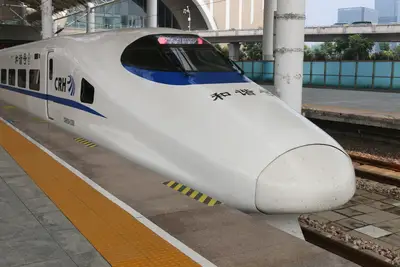
A passenger watches the departure board flicker as a high-speed train glides silently into the station. To navigate this system, one must recognize that management is split between regulation and operation.
In March 2013, the State Council broke up the Railway Ministry into the National Railway Administration to oversee railway regulation and the China Railway Corporation, a state-owned company, to operate the national railways.
This separation ensures that one body manages the rules of the track while another handles the daily movement of passengers.
Understanding this structure helps travelers recognize that different offices may handle ticketing versus track safety. This division remains the backbone of the national transit system.
How big is the rail network? China rail travel guide Under the bright morning sun, the engineer wipes sweat from his brow as he stares at the endless tracks spanning across china.
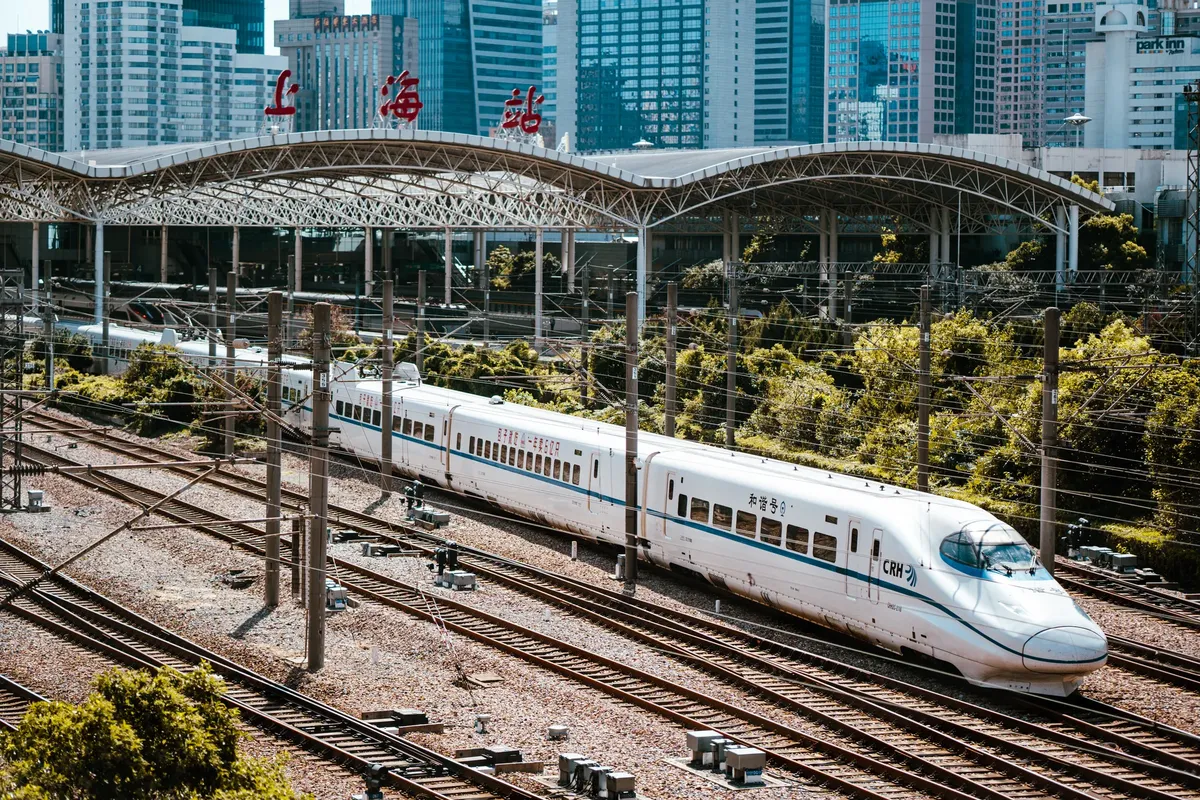
An engineer inspects the heavy steel tracks that stretch toward the horizon under a bright morning sun. The sheer scale of the infrastructure is a result of decades of concentrated development.
The amount of investment in railway infrastructure by the Shanghai Bureau Group, the main owner of the Yangtze River Delta Railway, has ranked first among all railways since 2016. This massive investment supports the incredibly dense network used by millions of commuters daily.
When planning a trip, knowing the importance of these major hubs can help in anticipating the complexity of local transit. The scale of the network is a constant factor in travel planning.
According to World Bank, the 2025 record includes 91.6%.
How does the rail system handle passenger flow?
A crowd of travelers moves in a synchronized rhythm through a wide station concourse during the morning rush. Managing such large volumes of people requires sophisticated logistics and clear signage.
The capacity for transit is immense, especially in regions where investment has prioritized high-speed connectivity. For example, the Yangtze River Delta serves as a primary example of how massive infrastructure supports heavy passenger density.

The movement of people through these hubs is a central part of the daily routine for many. Maintaining a steady flow is essential for the efficiency of the entire network.
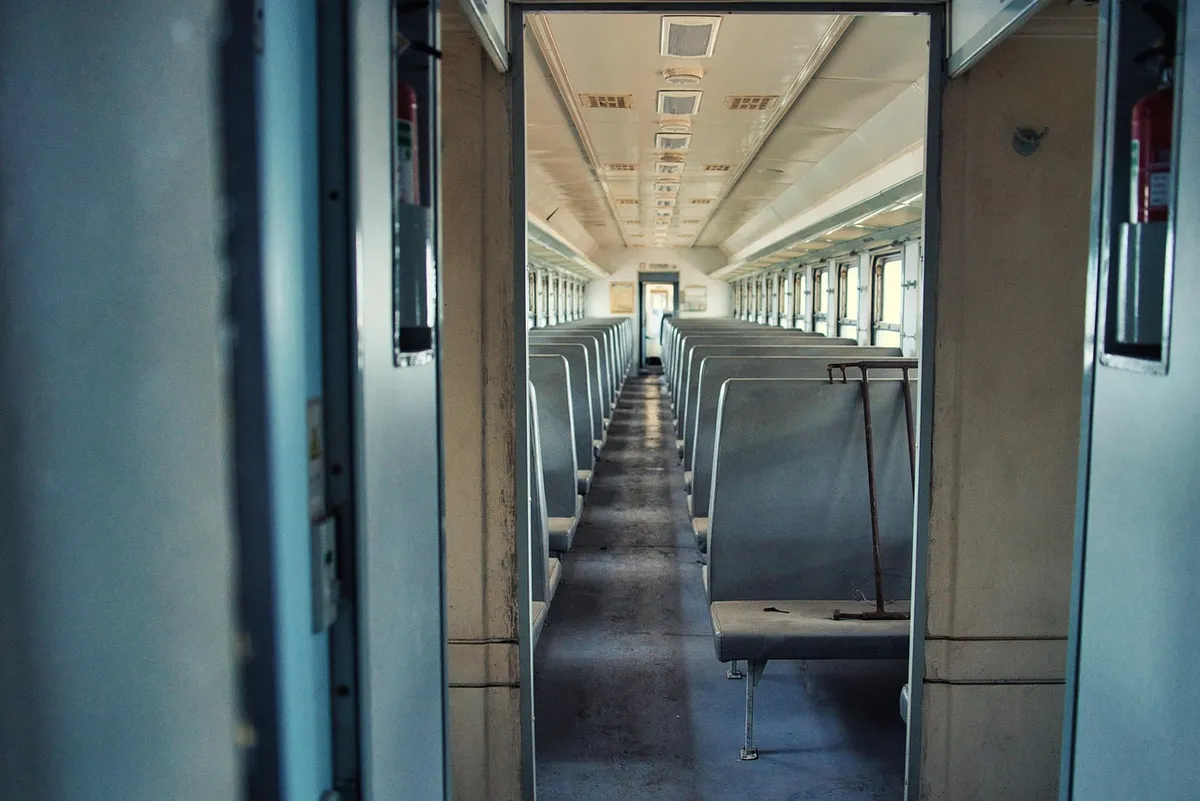
How do I navigate through these hubs? A traveler lifts a heavy suitcase onto a luggage rack while checking the seat number on a small paper slip. Moving through stations involves specific steps to ensure a smooth transition from the platform to the destination.
- Verify the station and platform information on the digital boards immediately upon arrival. 2. Match the ticket details with the specific train number and carriage to ensure correct boarding. 3. Confirm the final destination to avoid boarding a train traveling in the opposite direction.
I once double-checked my seat assignment against the carriage number to ensure I was in the right place before the doors closed. Following these steps helps prevent confusion in large stations.
A limitation of this information is that it focuses on the structural and logistical framework rather than specific real-time boarding rules for individual ticket types.
World Bank Based on the retained excerpt mentioning World Bank: According to World Bank data, China recorded share of internet users of 91.6% in 2025.

- How is the rail system managed?
- What defines the scale of the rail network?
- How does the rail system handle passenger flow?
The subject here is China rail travel guide.
The same subject is also called Local train passage rules.
The same subject is also called Goods shipment process.
The same subject is also called Rail journey procedures.
The same subject is also called Transit customs guide.
This part also covers Buying tickets China rail.
This part also covers Sending parcels by train.
This part also covers Onboard customs forms.
Buying tickets China rail
Related
- High Speed Rail tips: Mobile booking best guide 95
- Beijing subway tips for Koreans: Guide to vast rail networks
What challenges does the traveler face at the terminal?
The traveler faces the necessity of coordinating multiple pieces of information to ensure a successful journey. The traveler must correlate the printed ticket with the digital display information at the terminal. This coordination is vital for successfully navigating the high-speed corridors.
The scale of the network, while impressive, translates into a complex environment for the individual journey. The traveler needs to match the physical location of the train with the abstract data on the ticket. This matching process is crucial for timely departure.
When is the system most complex?
The system is most complex during periods of high passenger volume. This density is particularly pronounced in the Yangtze River Delta region. The operational bodies must manage this high throughput efficiently.
The operational division handles the daily movement of passengers, which becomes most challenging when many people are trying to move simultaneously. The regulatory body oversees the rules governing this movement, which must remain consistent amidst high activity.
The traveler, therefore, experiences the culmination of both regulatory structure and operational reality at the terminal.
Is the separation of duties always apparent to the traveler?
The traveler must mentally bridge the gap between the administrative oversight and the physical execution of the journey. The regulatory body sets the conditions for travel, while the operational body executes the movement of the train itself.
This division, though fundamental to the national transit system, requires the traveler to understand which entity governs a specific aspect of their journey.
This distinction means that while the China Railway Corporation handles the movement, the National Railway Administration dictates the permissible parameters of that movement. The traveler relies on this established framework for the journey to proceed smoothly.
What does the traveler need to carry besides the ticket?
The traveler requires the smartphone and the printed ticket to correlate the journey phases. The smartphone likely contains real-time information necessary to match the physical reality of the station with the abstract data on the ticket. This digital aid complements the physical document.
This combination of physical and digital artifacts allows the traveler to track the train's location and timing against the scheduled service parameters. The traveler uses these tools to successfully navigate the high-speed corridors.
The scale of the network, while impressive, means that the traveler must possess this coordination capability to successfully complete the journey.




Comments 0