Forbidden City Travel Guide: Explore 175 Acre Palace Complex
To walk through the gates of the Forbidden City is to step directly into the heart of imperial history, where every courtyard tells a story of dynastic power.
The Forbidden City serves as the ultimate destination for travelers seeking to witness the largest preserved imperial palace complex in the world.
This guide provides essential routing tips, historical context regarding the restoration efforts, and practical advice for managing a visit to this massive UNESCO World Heritage Site.
You will learn how to navigate the vast grounds, understand the scale of the palace, and prepare for the sheer volume of visitors.
Key takeaways: * Understand the immense scale of the 175-acre complex. * Learn about the historical restoration efforts that shaped the current site. * Plan your logistics around the massive visitor numbers.
How large is the Forbidden City complex?

Walking through the massive Meridian Gate, the sheer scale of the red walls and golden roofs becomes immediately apparent. The vast courtyard stretches out toward the horizon, leaving visitors to wonder how such a massive structure was once managed.
The scale of the site is truly immense, covering over 175 acres.
This massive footprint ensures that travelers have plenty of space to explore, though the crowds can be significant. The sheer acreage of the complex dictates that exploration requires substantial physical movement.
The size of the palace complex also necessitates a clear plan to see the primary halls before the crowds reach their peak density.
The historical weight of the site is felt in every stone. It remains the largest preserved imperial palace complex in the world, having served as the residence of 24 emperors of the Ming and Qing dynasties.
Navigating these halls requires stamina and a clear plan to see the primary halls before the crowds peak. The function of the palace as the residence of 24 emperors informs the importance of the halls that were used for imperial functions.
The immense scale of the complex provides ample opportunity for travelers to observe the architectural differences between the various halls.
However, the scale of the grounds can make walking quite exhausting for some visitors.
What was the purpose of the restoration project? Forbidden City Travel Guide
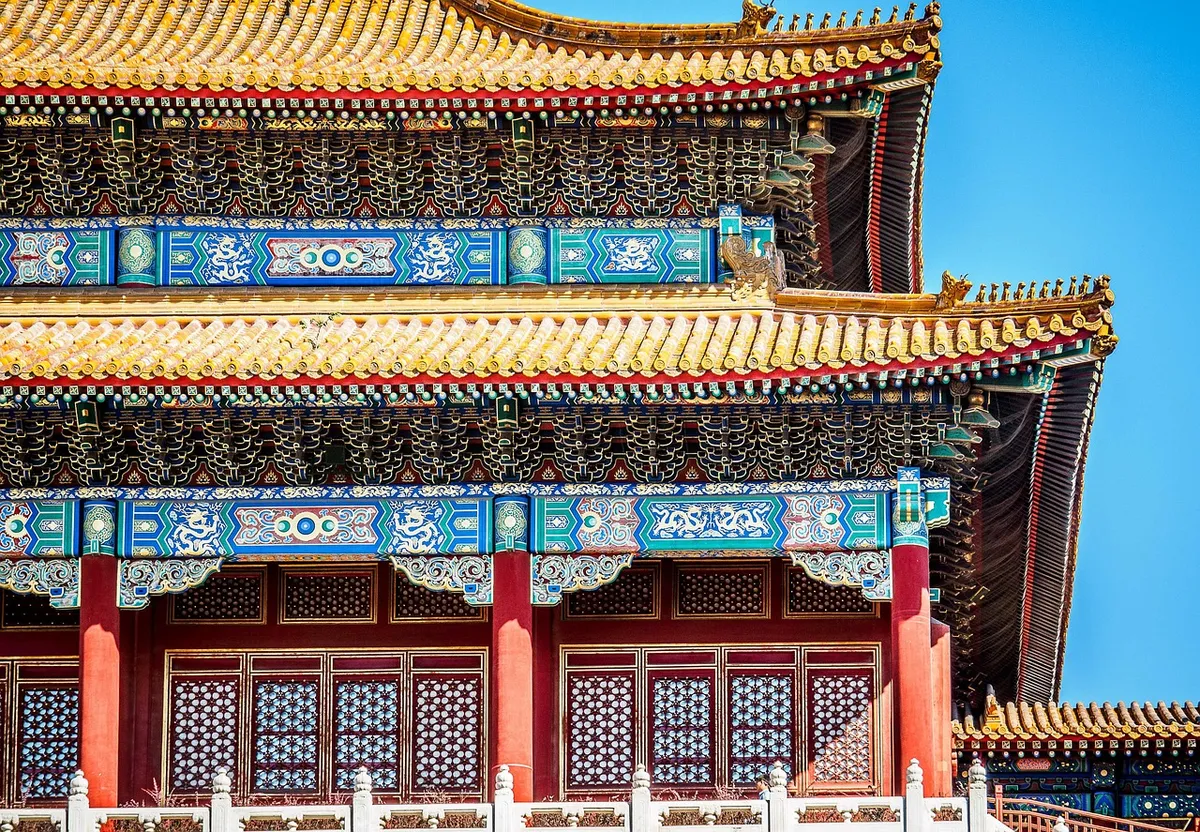
Standing before a meticulously repaired wooden pillar, one can appreciate the effort required to maintain such an ancient structure. The transition from the imperial era to a public museum involved significant structural changes to preserve the heritage.
In the early 21st century, the Palace Museum focused on preserving the integrity of the site.
According to Wikipedia: Forbidden City, the Palace Museum carried out a sixteen-year restoration project to repair and restore all buildings in the Forbidden City to their pre-1911 state, with the goal that 76% of the palace would be open to the public by 2020.
The restoration project aimed to ensure that the architectural beauty of the Ming and Qing dynasties remained intact for modern visitors. The commitment to preserving the integrity of the site means that the original structure was prioritized over modern accessibility in certain areas.
By restoring the buildings to their pre-1911 state, the museum allows guests to experience the palace as it appeared during its height. The completed works provide a window into the architectural mastery of the past.
The process of restoring the buildings to their pre-1911 state is a direct effort to maintain the original aesthetic condition.
The primary goal was to preserve historical integrity while ensuring structural stability.
How can I plan a successful visit?
Checking a map at the entrance, a traveler must decide which direction to head first to avoid getting lost in the labyrinth of courtys. A well-planned route is essential for seeing the most significant halls without feeling overwhelmed.
To make the most of your time, follow these practical steps:
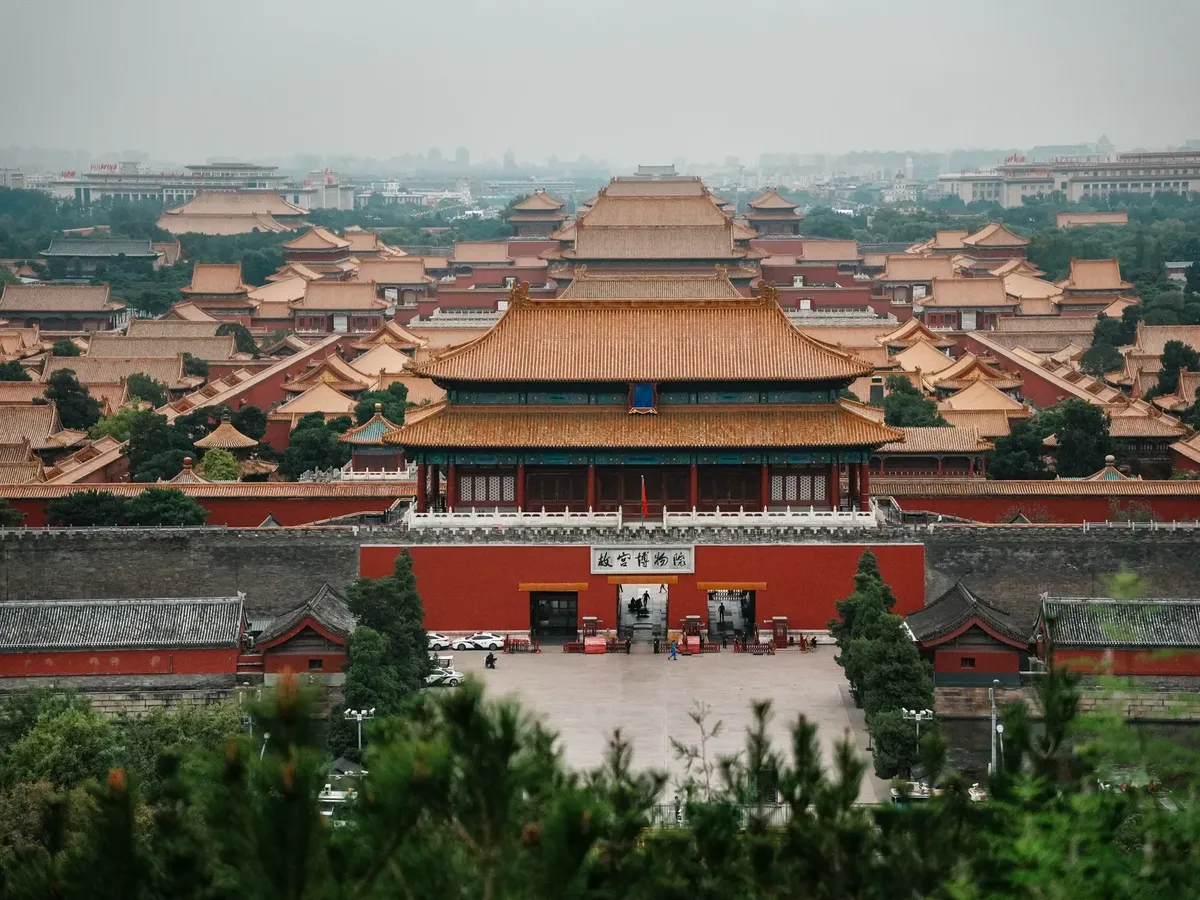
- Enter through the main gates and follow the central axis to see the primary ceremonial halls. 2. Allocate several hours for walking, as the site is vast and requires significant physical movement. 3. Check the current opening status of specific halls, as some areas may be closed for ongoing preservation.
I remember standing at the entrance, looking at the map and realizing how much walking would be required to see even a fraction of the palace. Using a structured route helps manage the energy needed for a full day of exploration.
The necessity of following the central axis is a procedure designed to ensure that the most important halls are viewed sequentially. The vastness of the site is the condition that necessitates allocating several hours for walking.
The caution regarding ongoing preservation means that the current opening status of specific halls must be verified before planning the route. The labyrinth of courtyards presents a condition that requires careful navigation to prevent becoming disoriented.
- Purchase your tickets online in advance.
- Arrive early to avoid the largest crowds.
- Plan your route based on the entrance and exit locations.
According to International Monetary Fund, the 2026 record includes 1401.9 million.
How many people visit the palace annually?
Watching the flow of tourists through the gates, it is easy to see why the site remains one of the most popular destinations on earth. The constant movement of people highlights the global interest in Chinese history.
According to the International Monetary Fund, China recorded population (millions) of 1401.9 million in 2026.
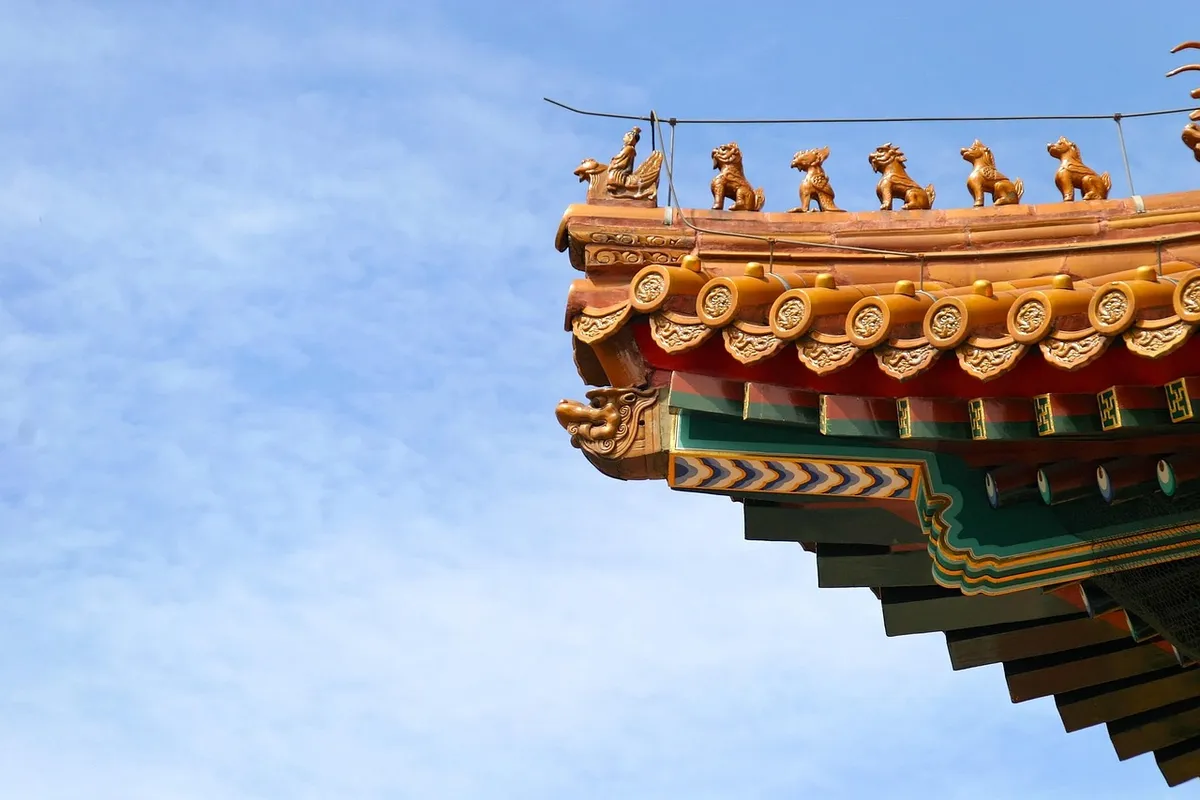
The popularity of the site is reflected in the massive visitor numbers.
Managing expectations regarding crowd density is a key part of the visitor experience. The sheer number of people visiting ensures that the site is a living, breathing part of Beijing's identity. Travelers should prepare for busy periods, especially during peak seasons.
The condition of the site being a living part of Beijing means that its historical significance is actively experienced by millions. The high volume of visitors, exceeding 16 million annually, is a direct result of the site's status as a UNESCO World Heritage Site.
| Metric | Detail |
|---|---|
| Total Area | Over 175 acres |
| Annual Visitors | Over 16 million |
The sheer volume of visitors means that peak seasons can lead to significant crowding.
What should I consider regarding local logistics?
Looking at a passport and checking travel documents, a traveler realizes that visiting the Forbidden City is part of a much larger journey. Planning extends beyond the palace walls to include visas and local movement.
According to World Bank data, China recorded total population of 1,406,585,000 in 2025.
When traveling to China, administrative preparation is necessary. Chinese customs authorities recommend applying for your visa 30 to 90 days before your intended date of travel. This ensures that your entry into the country is seamless before you arrive at the gates of the palace.
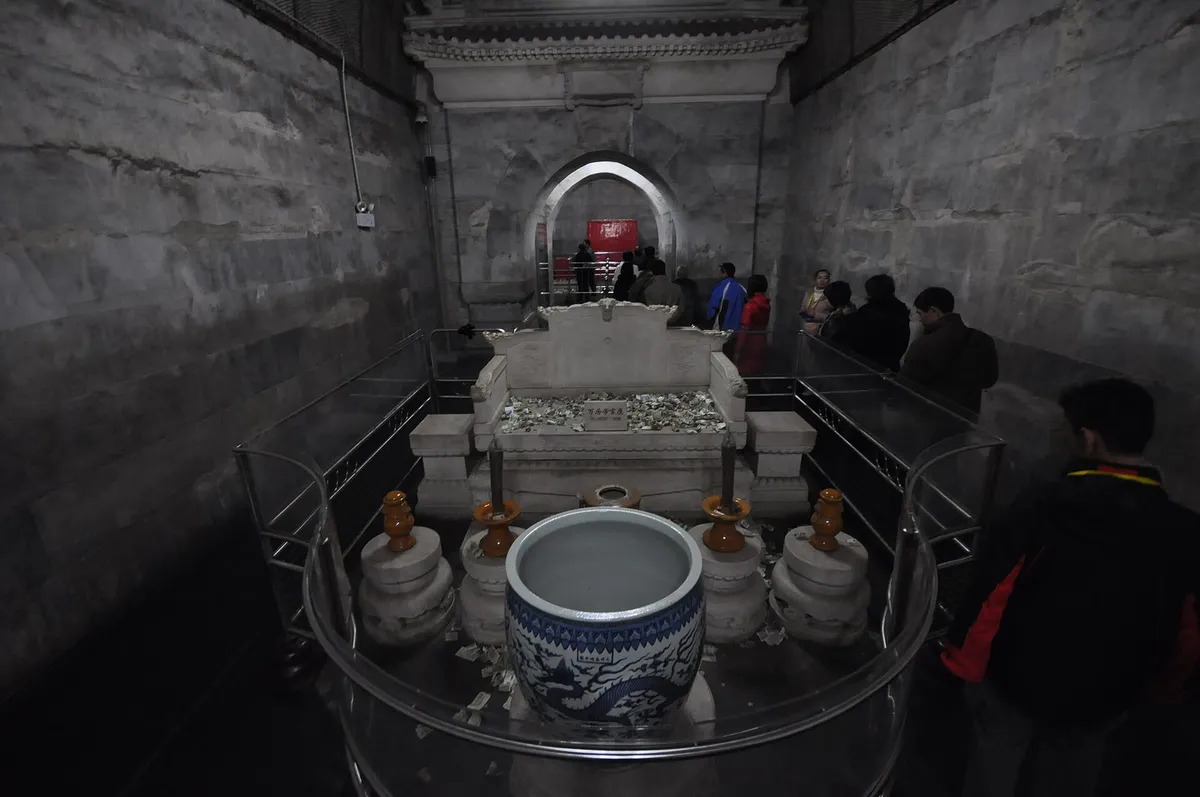
The procedure of applying for a visa 30 to 90 days in advance is a necessary step for international travel to China. Understanding the local context helps in navigating the city of Beijing. While the palace is a central landmark, the broader urban environment requires its own set of logistics.
The condition of the broader urban environment means that logistical planning must extend beyond the palace itself. Staying organized with documents and schedules is the best way to ensure a smooth trip. The administrative preparation required for travel is a prerequisite to accessing the palace.
In this sequence, the second step is the most time-consuming.
The subject here is Forbidden City Travel Guide.
The same subject is also called Palace Tour Tips.
The same subject is also called Beijing Imperial Palace.
The same subject is also called Must See Forbidden City.
The same subject is also called Old Palace Route.
This part also covers Best time to visit Forbidden City.
This part also covers Forbidden City walking tour.
This part also covers Imperial Palace photo spots.
Best time to visit Forbidden City
Related






Comments 0