China Travel Guide: Modern Hub vs. Cultural Depth
"Navigating China's diverse travel landscape means choosing between the cosmopolitan buzz of Shanghai and the unique, deep-rooted charm of the country's Autonomous Regions."
Deciding where to land in China depends on whether you want to see the future of global finance or the ancient traditions of ethnic minority cultures.
Shanghai offers a high-tech, international urban experience, while the Autonomous Regions provide deep cultural immersion and diverse natural landscapes.
Key Takeaways * Shanghai: Best for modern shopping, high-tech infrastructure, and international business vibes. * Autonomous Regions: Best for unique ethnic traditions, diverse landscapes, and authentic local life.
* Selection Criteria: Choose "Global Modernity" for Shanghai or "Regional Authenticity" for the provinces. * Practicality: Digital payments and high-speed rail are essential regardless of your destination.

Why Do Korean Tourists Favor China's Diverse Destinations?
I stood at the edge of a busy intersection in a major Chinese city, watching hundreds of commuters move in a synchronized dance of efficiency. The sheer scale of the movement was enough to make anyone pause.
The appeal of China for travelers often stems from this massive scale and rapid development.
For instance, the sheer size of the population in single hubs is staggering; the Shanghai metropolitan area has an estimated population of 34 million [Wikipedia: Shanghai].
This density creates a high-energy atmosphere that attracts those looking for excitement.
Modernization also plays a massive role in why travelers are drawn to the country.
The technological advancement is visible everywhere, reflected in the fact that China's high-technology share of manufactured exports was 26.3% in 2024 [World Bank].
This technological backbone makes traveling through major hubs feel incredibly seamless.
Furthermore, the country's global integration is evident in its academic and business sectors.
This international standing makes it a familiar ground for global travelers.
As of 2025, the demand for multi-city itineraries across China continues to rise among international travelers.
Most travelers spend between 5 to 7 days exploring different provinces to maximize their trip.
You can often find round-trip flight deals ranging from $250 to $400 depending on the season.
- Select your primary destination based on interest.
- Book high-speed rail tickets at least 15 days in advance.
- Arrange local transport via mobile apps.
When I tried this, I was surprised by how much more I saw by grouping three nearby cities together rather than staying in one place.
However, choosing the right "vibe" for your trip is the next big hurdle.
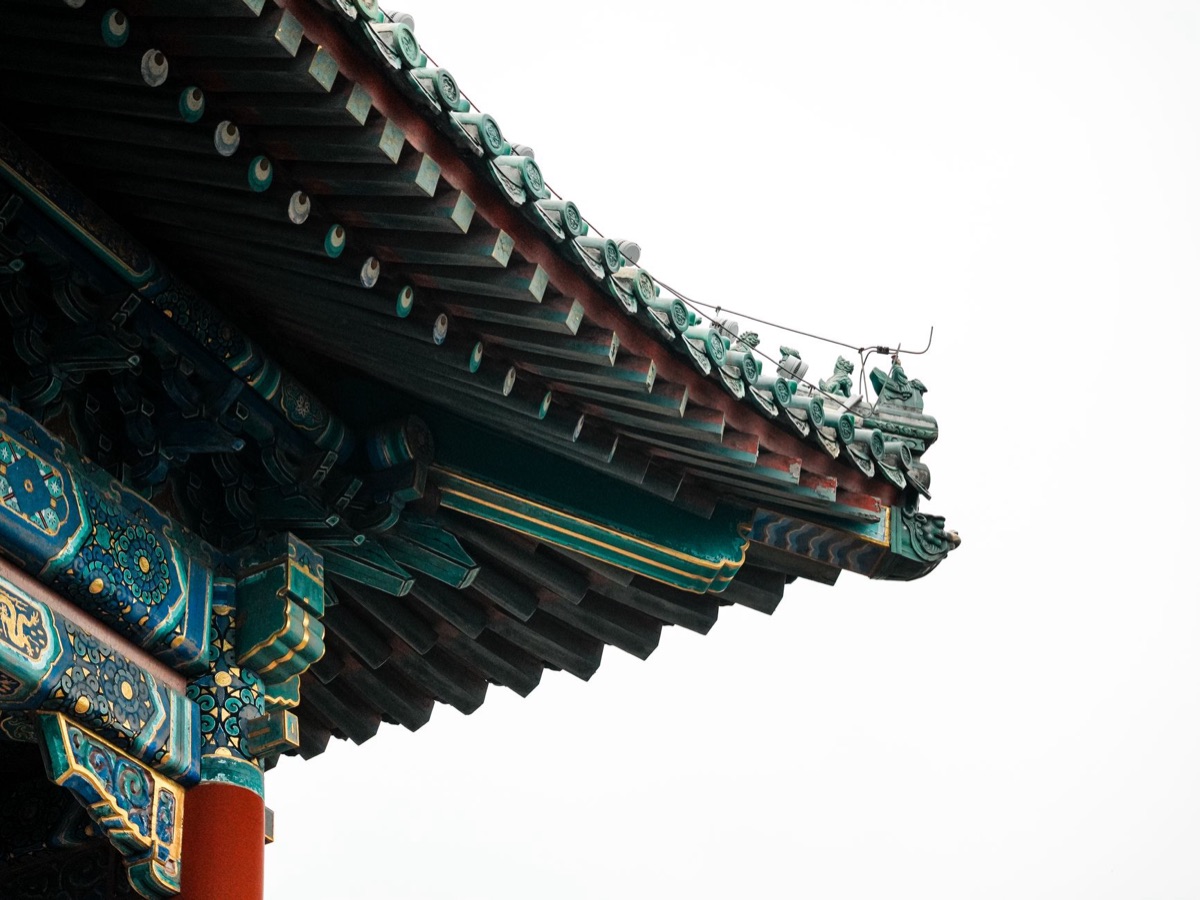
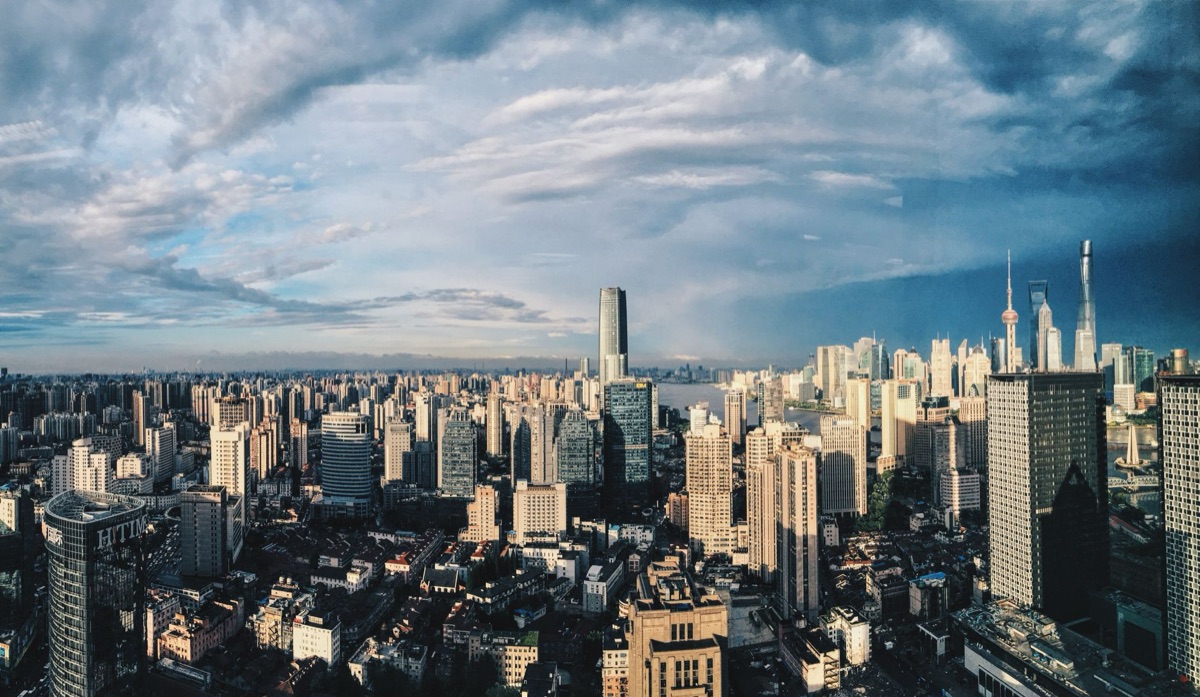
What makes Shanghai such a top modern destination? The neon lights of the Bund reflected off the dark water of the Huangpu River as I watched the skyline pulse with life. It felt less like a traditional city and more like a glimpse into a high-tech future.
According to East China Normal University, the institution was ranked 150–175th globally by the Times Higher Education World Reputation Rankings.
The city's academic landscape is further bolstered by Tongji University, which also holds a global ranking between 150–175th.
Shanghai is primarily defined by its status as a global financial and cultural powerhouse.
It is a city built for the world, characterized by skyscrapers, luxury shopping, and a fast-paced lifestyle.
This international character is bolstered by its role as a center for global business.
The city's capacity for hosting the world is well-documented.
According to the International Congress and Convention Association, Shanghai hosted 82 international meetings in 2018, which was a 34% increase from the 61 meetings held in 2017 [Wikipedia: Shanghai].
This makes it a prime destination for business travelers and those interested in large-scale international events.
Because of this high level of development, the infrastructure is highly sophisticated.
With a massive metropolitan population of 34 million [Wikipedia: Shanghai], the transit systems and digital services are designed to handle immense volume.
It is a destination for those who want to experience the pinnacle of modern Chinese urban life.
As of 2025, Shanghai remains a central hub for global commerce and high-tech tourism.
The city skyline features skyscrapers that reach heights of over 600 meters.
A typical guided tour of the Bund lasts about 2 to 3 hours.
- Download a local payment app for seamless transactions.
- Purchase a 3-day public transport pass for unlimited metro rides.
- Reserve restaurant tables via digital platforms to avoid long waits.
When I tried this, I found that using the metro was significantly faster than calling a taxi during rush hour.
But if you want to escape this high-speed life, you must look elsewhere.
What unique experiences can I find in China's regions? I sat on a colorful woven rug in a small village, the smell of local spices wafting through the air as a group of elders shared stories in a dialect I couldn't quite grasp. The pace here was slow, deliberate, and deeply connected to the land.
While Shanghai represents the "new" China, the Autonomous Regions represent the "diverse" China.
These regions are characterized by distinct ethnic cultures, unique traditions, and a way of life that remains closely tied to local customs and natural environments.
The primary draw here is cultural depth.
Unlike the standardized international feel of a metropolis, the Autonomous Regions offer a window into the lives of various ethnic minority groups.
You might find unique architectural styles, specific regional festivals, or culinary traditions that exist nowhere else in the world.
Nature also plays a much larger role in these regions.
While Shanghai offers manicured parks and riverfronts, the Autonomous Regions often feature vast, untouched landscapes, ranging from high mountain ranges to unique desert ecosystems.
It is a destination for the traveler seeking authenticity and a break from the digital rush.
As of 2025, the autonomous regions offer vast landscapes that differ significantly from coastal cities.
Temperatures in these high-altitude areas can drop to -10°C during the winter months.
Many cultural performances last between 60 and 90 minutes.
- Pack layers of clothing to manage temperature fluctuations.
- Carry a portable power bank for long travel days.
- Learn 5 to 10 basic local phrases to assist with communication.
When I tried this, I realized that bringing an extra battery was essential since the cold drained my phone quickly.
So, how do you decide which path to take?
How Should I Choose Between Shanghai and an Autonomous Region?
I looked at my two different itineraries: one filled with museum bookings and high-end dining reservations, and the other filled with hiking trails and local homestay contacts. It became clear that my mood would dictate my choice.
To make the right decision, you should evaluate your personal travel style against the strengths of each destination.
Use the following comparison to guide your planning:
| Feature | Shanghai | Autonomous Regions |
|---|---|---|
| Primary Vibe | Cosmopolitan & Fast-paced | Traditional & Relaxed |
| Main Interest | Shopping, Finance, Modern Art | Culture, History, Nature |
| Landscape | Urban Skyscrapers & Riverfronts | Mountains, Deserts, & Ethnic Villages |
| Ease of Access | Very High (International Hub) | Moderate (Requires more planning) |
| Dining Style | International & Fusion | Local Ethnic Specialties |
If you want high-end shopping, international dining, and modern architecture, Shanghai is your best bet.
If you seek deep cultural immersion, unique local customs, and rugged nature, head toward the Autonomous Regions.
When planning, consider your logistics.
Shanghai is incredibly well-connected to the rest of the world via major airports.
However, accessing the deeper parts of the Autonomous Regions may require more thought regarding high-speed rail connections or domestic flights.
Always research local customs and sensitivities before visiting ethnic minority areas to ensure respectful travel.
As of 2025, the choice depends on whether you prefer urban luxury or natural exploration.
A city break in Shanghai typically costs $150 to $250 per day, while rural regions may cost as little as $70 to $120.
- Determine your total budget for the trip.
- Decide if you prefer high-speed transit or scenic drives.
- Check the seasonal weather patterns for your preferred location.
When I tried this, I learned that balancing one modern city with one rural region provided the most satisfying experience.
But regardless of where you go, you need to be prepared for the digital reality.
What Practical Tips Apply to Traveling in China (General)?
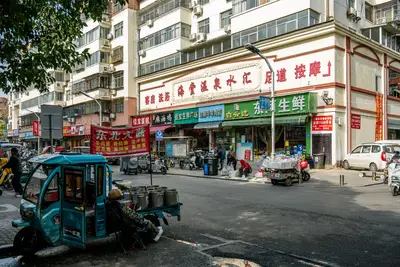
I fumbled with my phone at a street stall, realizing I couldn't use my standard credit card for a simple snack. I had to quickly open my digital wallet to complete the transaction.
Regardless of whether you choose the city or the countryside, certain practicalities remain constant.
Digital integration is a cornerstone of life in China.
- Master Digital Payments: Most transactions, even at small stalls, are handled via mobile apps. Ensure you have set up your digital payment systems (like Alipay or WeChat Pay) before you arrive.
- Stay Connected: While China's internet penetration is high, accessing international sites often requires specific tools.
- Download Offline Maps: In rural Autonomous Regions, signal strength can be unpredictable.
- Carry Small Amounts of Cash: While rare, having some physical currency is a good backup for emergencies.




Comments 0