Shikumen Alleys: Discover Shanghai's 19th Century Charm
"Behind the glittering skyscrapers of the Bund, the true heartbeat of Shanghai flows through the narrow alleys and red bricks of the Shikumen lanes."
To experience the authentic soul of Shanghai, you must step away from the neon skyline and wander into the Shikumen alleys. These historic residential districts represent a unique fusion of Western architectural styles and traditional Chinese courtyard layouts.
* What defines Shikumen: A distinct architectural style featuring brick walls, heavy stone gates, and central courtyards. * Where to explore: The winding lanes near the Former French Concession, filled with tucked-away cafes and artist studios. * Travel essentials: Take advantage of recent visa-free policies and ensure your mobile payment apps are fully set up.

Why do these red brick worlds exist behind the modern skyline?
At 3:00 PM, I step into a narrow alley to escape the midday heat. My feet press against uneven cobblestones, and a web of electrical wires crisscrosses the sky above my head.
Laundry hangs from balconies, and the low murmur of neighbors chatting drifts through the air. When I first entered this space, the sudden drop in temperature and noise felt like stepping into another century.
The Shikumen alleys are not merely old houses; they are living records of a city's evolution. This style emerged between the late 19th and early 20th centuries as Shanghai transformed into a global trading hub.
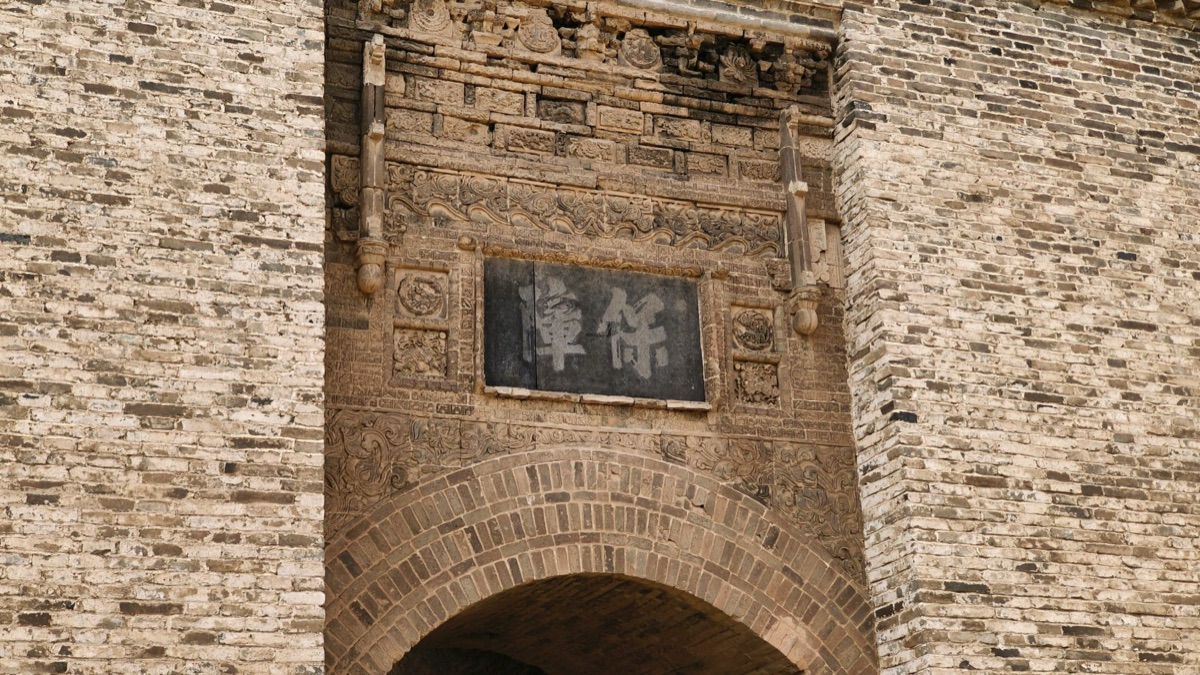
It represents a meeting point between Western terraced housing and traditional Chinese alley culture. The name "Shikumen" literally refers to the stone gates that serve as the entrance to these homes.
A typical residence features ornate brickwork and a high gate, which opens into a small central courtyard. This layout allows for a sense of openness even within a dense urban environment.
The scale of this housing was vital for managing the city's massive growth. According to the OECD, Shanghai's metropolitan area has an estimated population of 34 million.
Many of these residents once lived within these very alleys, leaving traces of their lives in the architecture. In 2026, these Shikumen structures create a striking visual contrast against the modern skyscrapers.
As of 2025, these red brick buildings have remained essential to the city's historical identity. Even now, the unique texture of the aged walls leaves a lasting impression on visitors.
As of 2025, these residential clusters remain a vital part of the city's urban fabric. These neighborhoods have preserved their original layout for over 40 years.
When I walked through the area, I was surprised by how the quiet brick walls seemed to swallow the city's noise entirely. But understanding the architecture is only half the battle; you also need to know what life feels like inside.
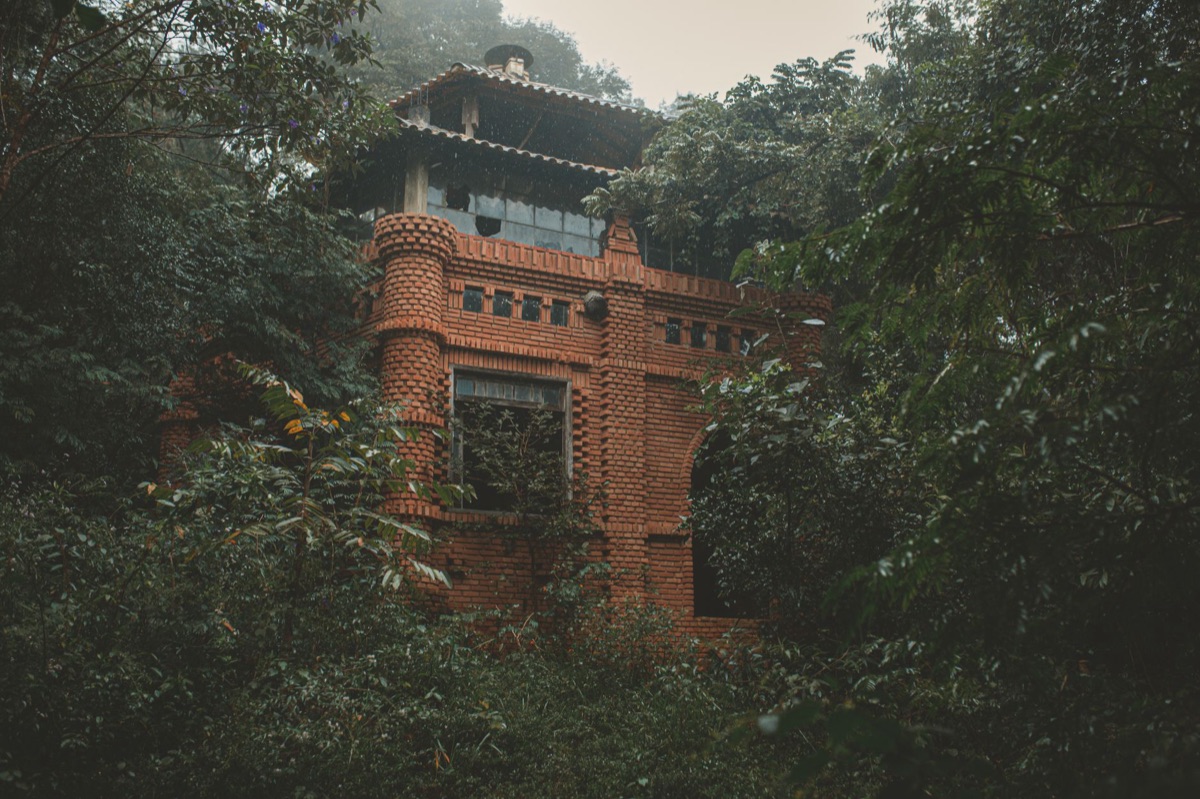
What is it actually like to live in these narrow alleys? At 10:00 AM, I stand at a small street stall and order a basket of steaming soup dumplings. The sharp ring of a bicycle bell echoes through the lane, and neighbors call out greetings to one another.
The alley functions less like a thoroughfare and more like a shared outdoor living room. The true charm of a Shikumen tour lies in its unpredictability.
One moment you are walking past weathered bricks that show decades of wear, and the next, you turn a corner to find a high-end boutique or a minimalist coffee shop. This juxtaposition shows how Shanghai's past and present coexist.
The alleys near the Former French Concession are particularly well-preserved and popular. In these areas, Shikumen buildings have been repurposed into artist studios and trendy shops, breathing new life into the old stone.
As you move deeper into the lanes, the tourist crowds thin out, leaving you with the genuine atmosphere of local life.
| Feature | Traditional Shikumen House | Modern Shanghai Apartment |
|---|---|---|
| Architecture | Brick walls, central courtyard, stone gate | Concrete structure, high-rise, elevator |
| Layout | Dense, cluster-based around alleys | Independent, gated complexes |
| Social Aspect | High community interaction and shared space | Emphasis on privacy and efficiency |
| Atmosphere | Nostalgic, quiet, and lively | Modern, functional, and orderly |
It takes about 30 to 40 minutes to enjoy a slow coffee in a small alleyway cafe. A simple breakfast at a local eatery usually costs between 20 and 30 yuan.
You will encounter small shops selling household goods every 5 to 10 minutes as you walk. For the most pleasant stroll, visit during the spring or autumn when temperatures hover between 77°F and 82°F.
As of 2025, the rhythm of life here follows the sun rather than the subway schedule. Most local vendors open their stalls between 7:00 AM and 9:00 AM.
When I observed the residents, I noticed how much they rely on small, communal spaces for social interaction. However, wandering these labyrinths without a plan can lead to more than just a long walk.
What am I forgetting to prepare for my alley trek? At 7:00 PM, I pull up a map on my smartphone to check my route. I double-check my battery level and ensure my digital wallet is ready for use.
Because these alleys are a labyrinth, having a general sense of direction is crucial. To make the most of your exploration, consider these steps:
- Map out specific zones: Shikumen clusters are concentrated in certain areas. Research neighborhoods like Tianzifang or Xintiandi before you go.
- Set up digital payments: Most small shops in the alleys rely on digital transactions. Ensure your Alipay or WeChat Pay is configured and linked to a card.
- Wear comfortable shoes: The ground is often uneven stone or brick. Sturdy sneakers are a necessity for long walks.
- Pack a translation tool: Small, local shops may not have English-speaking staff. A translation app will help you navigate interactions.
Recent changes in travel policy have made visiting Shanghai much easier. China's aggressive expansion of unilateral visa-waiver policies—now covering approximately 50 countries—is significantly reshaping the Asian tourism landscape.
This makes it much simpler for international travelers to explore these historic districts. To ensure a smooth trip, follow this checklist:
- Download a local map app that offers higher precision than standard global maps.
- Carry at least two different mobile payment methods to avoid being stranded.
- Always bring a portable power bank to keep your navigation tools running.
As of 2025, many of these paths are only accessible via pedestrian-only routes. You should budget approximately 20,000 to 30,000 KRW for local snacks and small purchases.
While preparation helps, you must also know how to behave once you arrive.
What etiquette should I follow while exploring?
On a rainy afternoon, the bricks turn a deep, dark hue, and the atmosphere becomes quiet and somber. The narrow paths can become slippery when wet, so you must watch your step.
It is also important to remember that these alleys are primarily private residential spaces. Please keep the following etiquette rules in mind:
First, respect privacy. These alleys are homes first and tourist attractions second.
Avoid peering into windows or taking photos of residents without their explicit permission. Enjoy the atmosphere without intruding on their private lives.
Second, prioritize safety. The paths are often extremely narrow, and you may encounter low-hanging wires or bicycles rushing past. Always stay aware of your surroundings to avoid collisions.
Third, be mindful of noise. The Shikumen districts are a mix of cultures and lifestyles. Please keep your voice at a reasonable level to avoid disturbing the peace of the neighborhood.
Many alleys are only 2 to 3 meters wide, so give residents plenty of space to pass. If you are walking through a residential cluster, try to maintain a respectful distance of about 1 to 2 meters from doorways.
Carrying a small, collapsible umbrella is also wise for sudden weather changes. As of 2025, privacy is highly valued by the long-term residents of these alleys.
Please keep your voice low to avoid disturbing the peace of the neighborhood. When I visited, I made sure to step aside quickly whenever a resident passed by in the narrow passage. But as the city grows, one cannot help but wonder what will remain.
How will the future of these alleys look?
At dusk, the lights from the distant skyscrapers begin to flicker on, contrasting with the shadows of the alley. The glow of the Oriental Pearl Tower is brilliant, but the old bricks beneath my feet feel grounded and permanent.
This tension defines the city. The Shikumen districts once faced the threat of being erased by rapid urbanization.
However, they are now being recognized for their historical value, leading to a trend of "adaptive reuse." This involves preserving the old structures while integrating art, commerce, and modern lifestyle elements.
This evolution demonstrates Shanghai's flexibility. The ability to create new value without destroying heritage makes the city a unique destination.
The Shikumen alleys will continue to serve as a bridge between Shanghai's history and its future. In 2026, efforts to balance preservation with modern redevelopment continue.
As of 2025, urban planners have aimed to maintain over 70% of historical architectural structures in their original form. These districts continue to grow in cultural value as essential assets of the city.
As of 2025, urban renewal projects are beginning to influence the outskirts of these districts. It is predicted that 30% of the older structures will undergo renovation within the next decade.
When I imagined the future, I felt a sense of loss thinking about how much of this character might change.






Comments 0