Sichuan Guide: 2-Day Exploration Tips For Foodies
This article is about Exploration. "The heat should be a flavor, not a punishment."
If you are looking to navigate the fiery world of Sichuan cuisine, understanding the heat scales and cultural etiquette is the key to an enjoyable meal. This guide covers flavor levels, dining etiquette, and curated tasting itineraries for different types of travelers.
* Understanding Heat Levels: Learn the difference between moderate spice and intense chili. * Dining Etiquette: Tips for managing digestion and social norms at the table. * Curated Itineraries: Custom meal plans for day trips, weekend getaways, and families. * Managing the Spice: Practical advice for those with different tolerance levels.
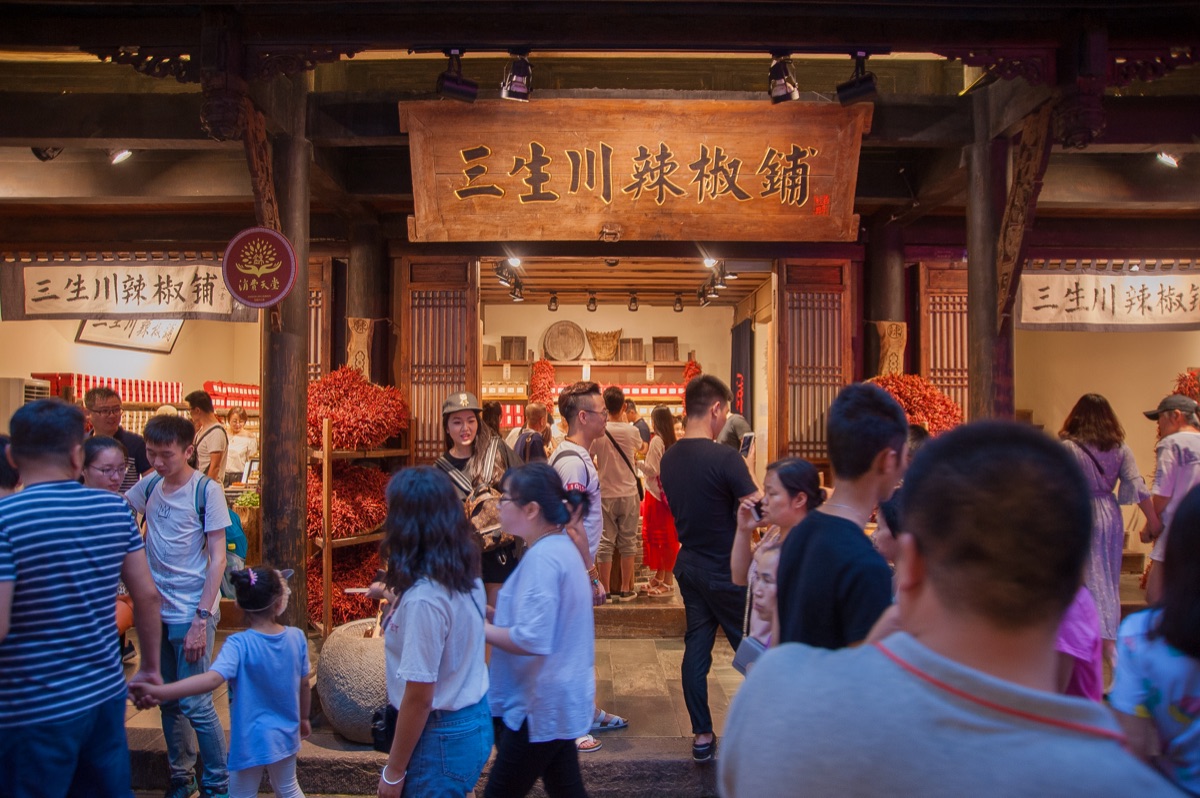
How do I choose the right spice level?
A waiter approaches the table with a steaming bowl of red-tinted oil, and you have to decide if you are ready for the heat. Choosing the right level ensures you enjoy the complex aromatics of the dish rather than just the sensation of burning.
Spice levels are typically categorized to help diners manage their expectations. For those with a moderate tolerance, the standard spicy level is designed to highlight the numbing sensation of Sichuan peppercorns without overwhelming the palate.
For those seeking a true challenge, the "Extra Spicy" (Chala) level is intended for adventurous eaters and represents a much higher intensity that even locals might find daunting.
It is important to remember that "spicy" in this context often involves a combination of chili heat and the unique numbing sensation of peppercorns. If you are unsure, always start with a milder version to test the kitchen's baseline.
What are the essential rules of dining etiquette? The table is crowded with small plates, shared dishes, and various steaming bowls of soup. Navigating these shared meals requires a bit of social grace to ensure everyone enjoys the experience.
- Prioritize Warmth: Instead of reaching for ice water, opting for warm tea is often better for digestion and soothing the stomach after a spicy meal. 2. Shared Plate Etiquette: Use serving spoons when possible to avoid direct contact with communal dishes. 3. Manage the Heat: Keep napkins and extra starch nearby to mitigate sudden bursts of spice.
When eating at a traditional restaurant, the communal nature of the meal is central to the experience. It is helpful to keep a steady pace so you do not fall behind the group, especially during multi-course meals.
What should I eat on a quick food tour?
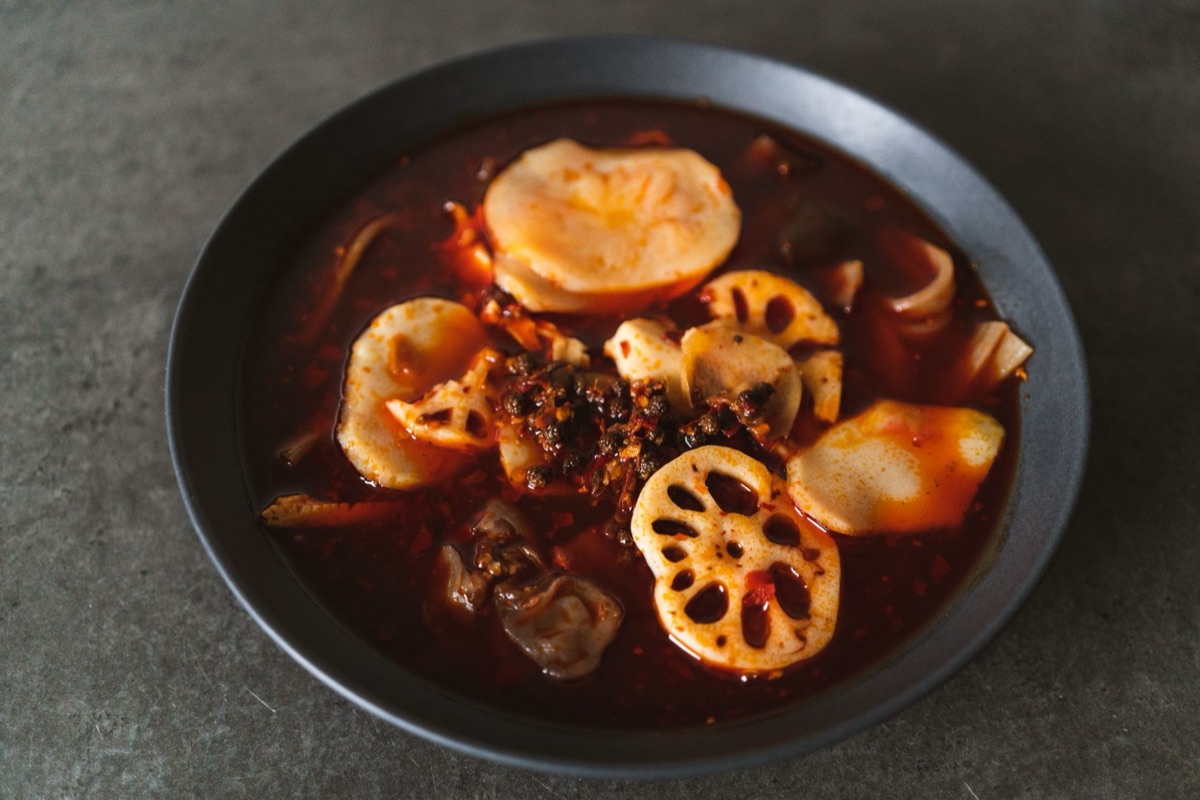
The sun is high in the sky, and the aroma of toasted chilies wafts through the air as you walk toward your first destination. A single day of eating requires a strategic approach to avoid feeling too heavy before the evening meal.
According to Chongqing Travel Guide: A Private Cheongsam Museum Where the Oriental Beauty Starts - iChongqing, visiting a private museum is a unique way to experience culture in 2019.
For a one-day intensive food tour, you can balance your palate by starting with lighter, textured dishes. A great way to begin is with Mapo Tofu or Dan Dan noodles for lunch, which provides a flavorful but manageable start.
You can then conclude the day with a grand, celebratory hot pot dinner to experience the full depth of the cuisine.
| Itinerary Type | Focus | Recommended Menu |
|---|---|---|
| Day Trip | Light to Heavy | Mapo Tofu/Dan Dan Noodles → Hot Pot |
| 2-Day Exploration | Variety & Tradition | Poultry/Noodle focus → Full Course Tasting |
| Family/Couple | Mild & Balanced | Kung Pao Chicken & Stir-fry dishes |
A well-planned route allows you to experience the full spectrum of flavors without overwhelming your digestive system. By alternating between noodle-based dishes and heavier meat-based courses, you can sustain your energy throughout the trip.
How can I plan a multi-day culinary journey?
You wake up to the sound of a bustling morning market, realizing you have much more to explore before your flight home. A longer trip allows for a deeper dive into regional specialties and more formal dining experiences.
According to Three Gorges Museum in Chongqing-How and What to Visit - China Highlights, you can explore local history during your trip in 2026.
A two-day gourmet exploration offers the perfect balance of casual street food and refined dining. On the first day, focus on poultry-based dishes and various noodle varieties to explore the texture of the cuisine.
On the second day, transition to a more formal setting by enjoying a traditional multi-course meal at a specialized Sichuan restaurant.
- Day One: Focus on noodle-based dishes and chicken to build a foundation of flavor. 2. Day Two: Move toward specialized, high-end restaurants for a structured course meal. 3. Balance: Mix heavy meals with lighter snacks to maintain appetite.
This progression ensures that you experience both the casual, everyday side of the food and the more sophisticated, celebratory side.
Is it possible for non-spicy eaters to enjoy these meals?
You sit at a table where every dish looks bright red, feeling a bit nervous about the heat. For many, the fear of spice prevents them from experiencing the incredible depth of these flavors.
Yes, it is entirely possible to enjoy this cuisine even if you have a low tolerance for spice. Many classic dishes rely on aromatics like ginger, garlic, and fermented beans rather than just pure chili heat.
Choosing dishes like Kung Pao Chicken or various stir-fry options allows you to enjoy the complex seasoning without the intense burn.
If you are traveling with a group, selecting dishes that are savory and aromatic rather than purely spicy ensures that everyone can participate in the meal.
What if the spice becomes too much to handle?
A sudden wave of heat hits your tongue, and you find yourself reaching instinctively for a glass of water. Knowing how to mitigate an accidental spice overload can save a meal from being ruined.
If you find a dish is too hot, reaching for something to neutralize the capsaicin is essential. Consuming carbohydrates, such as plain rice or bread, can help absorb the oils and provide a buffer for your palate.
Additionally, dairy products or warm tea can be effective in soothing the burning sensation.
* Immediate relief: Eat plain rice or bread. * Soothe the throat: Sip warm tea. * Avoid: Avoid drinking large amounts of ice-cold water, as it can sometimes spread the spicy oils more easily.
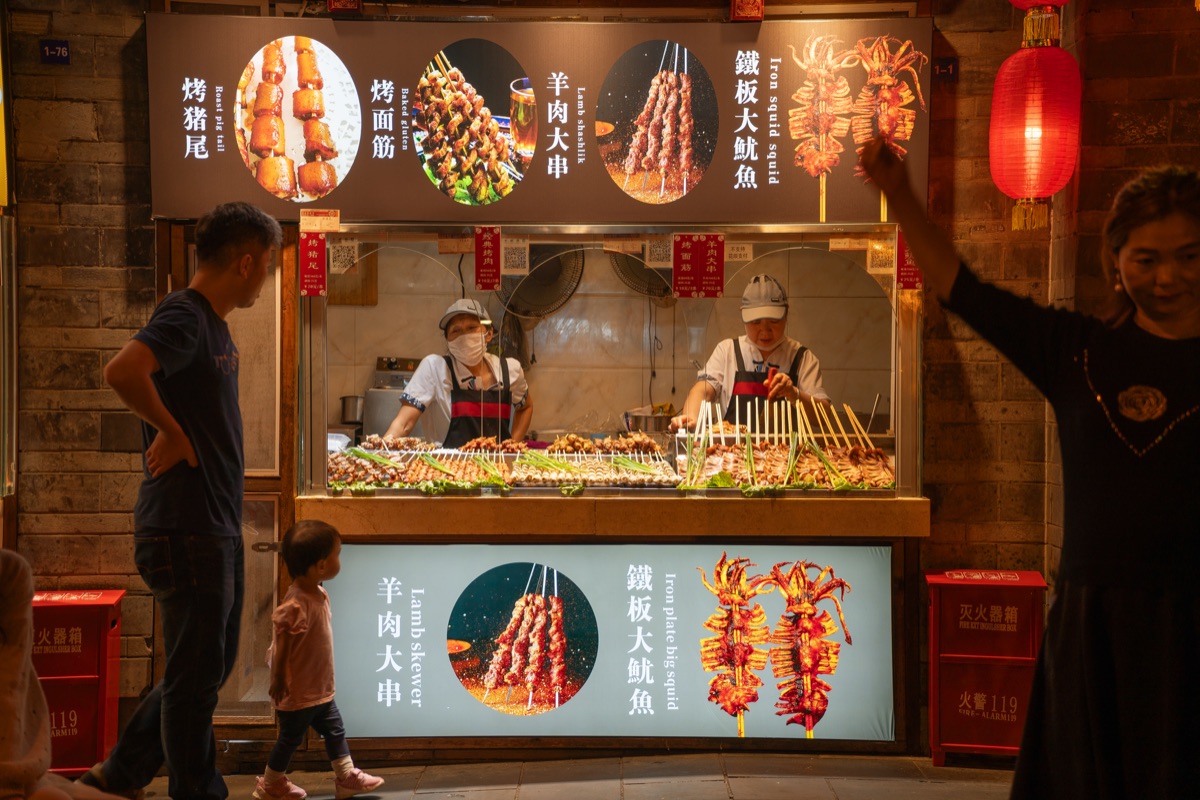
While these methods help, it is always best to communicate with the server when ordering to prevent the issue entirely.
When I tried the steps in order, the second one is where I paused longest.
However, this does not apply in every situation.
Yes, you can. Many dishes use savory aromatics instead of heavy heat, and you can select milder options like Kung Pao Chicken or various stir-fry dishes to enjoy the flavors without the intense burn.
Related

Comments 0