White Liquor 60% ABV Guide Live like a local in China
"To live like a local in China, one must move beyond the sight of monuments and step into the sensory rhythm of regional dining and daily habits."
Understanding how to live like a local in China requires an appreciation for regional distinctions in flavor, tradition, and social customs.
This guide explores authentic lifestyle elements, provides a comparison of traditional spirits, and offers practical steps for cultural immersion for travelers seeking depth.
Key Takeaways: 1. Understand the distinction between distilled and non-distilled traditional spirits. * Learn the historical roots of regional beverage cultures. * Focus on authentic dining habits to experience true local life.
How to live like a local in China through cuisine?
At dusk in the crowded market, I gripped a steaming bowl of white rice while the spicy aroma filled my nose.
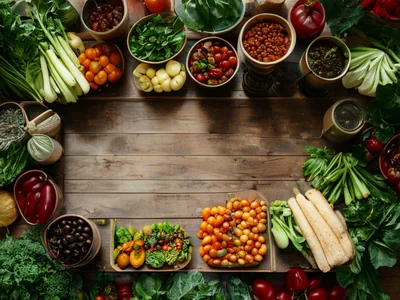
A steaming bowl of rice or a plate of local specialties sits on a wooden table as the sounds of a bustling market drift through the window. To live like a local in China, you must embrace the regional variations in ingredients and preparation methods that define every province.
The diversity of Chinese cuisine is vast, with each area offering unique fermentation and distillation traditions. For example, understanding the difference between spirit types is essential for any traveler sitting at a local dinner table.
| Spirit Type | Production Method | Alcohol Content (ABV) |
|---|---|---|
| White Liquor | Distilled from wheat, corn, or rice | Around 60% ABV |
| Yellow Liquor | Not distilled (strong rice wine) | 10–15% ABV |
I once sat in a small courtyard house, watching how the local flavors dictated the entire pace of the afternoon meal.
What are the origins of traditional spirits?
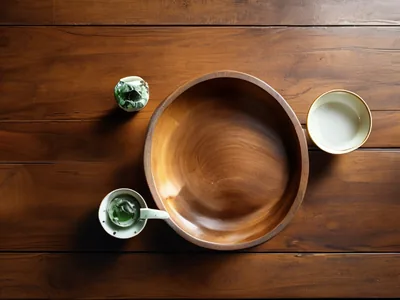
A clear liquid is poured into a small ceramic cup, catching the light of the afternoon sun. Understanding the history of these drinks helps travelers grasp the cultural weight they carry during social gatherings.
According to Wikipedia: Chinese cuisine, white liquor makes up 99.5% of the alcoholic market in China, making it the most-consumed alcoholic spirit in the world. This high consumption rate reflects its deep integration into social and ceremonial life.
The history of these beverages is as old as the regions themselves. According to Wikipedia: Chinese cuisine, the tradition of white liquor dates back to the introduction of distilling during the Song dynasty. It can be made from various grains such as wheat, corn, or rice.
How do I navigate regional drink cultures?

A group of friends gathers around a circular table, passing small carafes of wine to toast to the host. Navigating these social settings requires knowing which drink suits the occasion.
When engaging in a China local culture guide experience, knowing the strength of your beverage is vital. White liquor is typically around 120 proof (60% ABV), whereas yellow liquor is a strong rice wine that is not distilled and sits much lower at 10–15% ABV.
If you are participating in a formal banquet, you might encounter the high-proof distilled spirits. If you are at a casual family gathering, the lighter rice wines might be more common.
How to prepare for an authentic lifestyle trip?
A traveler checks a map of regional specialties before packing a small notebook for observations. Planning an authentic lifestyle trip involves preparation for the sensory shifts between north and south.
According to World Bank data, China recorded international tourist arrivals of 30,402,000 in 2020.
To ensure your transition into local life is smooth, follow these three steps:
- Study the grain-based traditions of the specific province you are visiting to understand the local palate. 2. Observe how much alcohol is consumed during different meal types to gauge social etiquette. 3. Practice using local terminology for different types of rice wines and distilled spirits.
After completing these steps, check if you have adjusted your expectations to match the regional strength of the food and drink.
What are the limitations of cultural immersion?
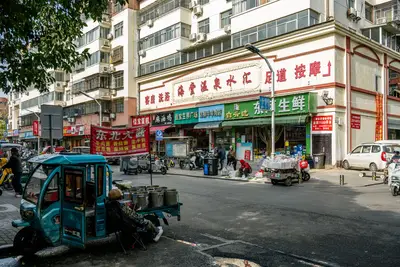
A traveler stands at a busy intersection, feeling the disconnect between a guidebook and the living street. While trying to live like a local in China, one must recognize that personal preferences may clash with traditional customs.
A limitation of this immersive approach is that the high alcohol content of certain traditional spirits, such as the 60% ABV white liquor, may not suit all travelers' physical tolerances.
- How to live like a local in China through cuisine?
- What are the origins of traditional spirits?
- How do I navigate regional drink cultures?
The same subject is also called Regional living experience China.
The same subject is also called Authentic Chinese lifestyle trip.
The same subject is also called Deep dive China local life.
This part also covers Best local food tours China.
This part also covers Hidden regional culture spots.
Related
- China high speed rail guide: Travel tips for smooth journey
- Shanghai day trip guide: Guide to Shanghai nearby day trips

Comments 0