China travel like a local: Guide to authentic moments
"To see a place through the eyes of its residents, one must move past the polished facades of major landmarks and step into the rhythm of daily life."
Finding the best ways for China travel like a local involves engaging with the language, understanding the vast population, and navigating the vastness of the country. This guide explores how to find authentic moments, the importance of linguistic connection, and the reality of modern travel.
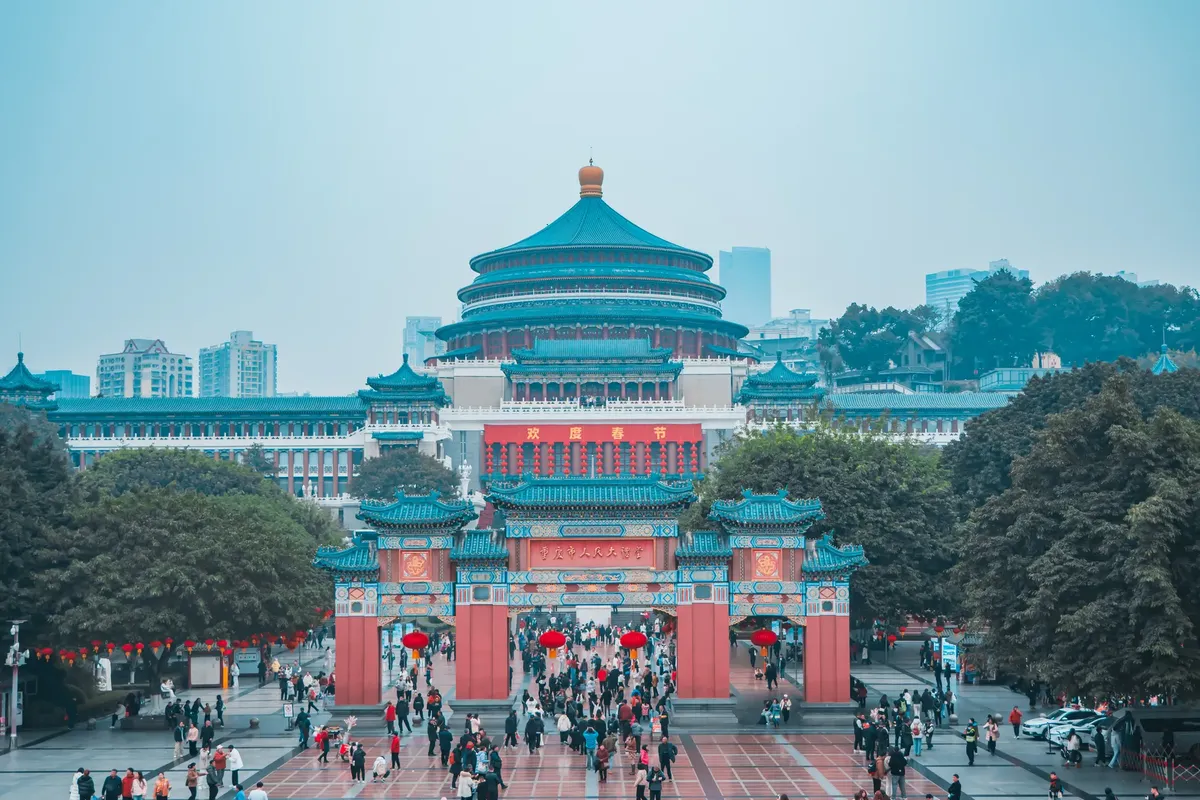
Key takeaways include understanding population scales, the role of language, and the shift in global travel dynamics.
How can I achieve authentic China travel?
Walking through a crowded morning market in a provincial city offers a sensory overload of steam, spice, and chatter. Finding authentic China travel means stepping away from the tour bus routes to find where people actually live and eat.
The scale of the population shapes every local interaction. According to World Bank data, China recorded a total population of 1,406,585,000 in 2025. This massive demographic diversity means that every city offers a unique cultural texture that differs from the capital.
One might find themselves sitting on a small plastic stool at a street-side noodle stall to feel the pulse of the city. Authentic experiences often happen in these unplanned moments of connection.
- Venture beyond the major metropolitan hubs into smaller provinces.
- Prioritize local transportation methods like high-speed rail and regional buses.
- Engage with community-based homestays rather than international hotel chains.
Do I need to know the language to live like a local? China travel like a local A traveler attempts to order tea in a quiet courtyard, hoping the local dialect or standard tongue will bridge the gap. Living like a local China requires a basic grasp of communication to navigate social nuances.
Language serves as the primary tool for immersion. A 2007 survey conducted by the Chinese Ministry of Education indicated that 53.06% of the population were able to effectively communicate using Standard Chinese.
Understanding these linguistic capabilities helps travelers decide where to venture. While major hubs are linguistically accessible, smaller regions might require more effort to bridge the communication gap.

In this sequence, the second step is the most vital.
Where are the best local spots to visit in China? A traveler wanders into a local park at sunrise to see elderly residents practicing tai chi or playing chess. Finding the best local spots in China often means visiting public squares, community parks,ly or local wet markets.
These locations reflect the true social fabric of the country. While landmarks are grand, the daily rituals of the people provide a more intimate look at the culture.
I once spent an entire morning watching a community square activity, realizing that the real heart of the city was not in the skyscrapers but in the shared hobbies of the residents.
How do I handle the scale of local life in China?
Navigating a massive transit hub requires quick feet and an understanding of the sheer volume of people moving through the space. Learning about local life in China involves managing the logistical reality of high-density living.
The sheer number of people influences everything from transportation to food service. Travelers must adapt to the pace of a society built for large-scale movement.
| Metric | Value |
|---|---|
| Total Population (2025) | 1,406,585,000 |
| International Arrivals (2020) | 30,402,000 |
Understanding these figures provides context for the density of any given location. It helps set expectations for crowds and the pace of life.
What are the challenges of authentic China travel?
A traveler looks at a map, realizing that the distance between two major hubs is vast and the local customs may differ significantly. Realizing the challenges of authentic China travel involves managing expectations regarding accessibility and cultural differences.
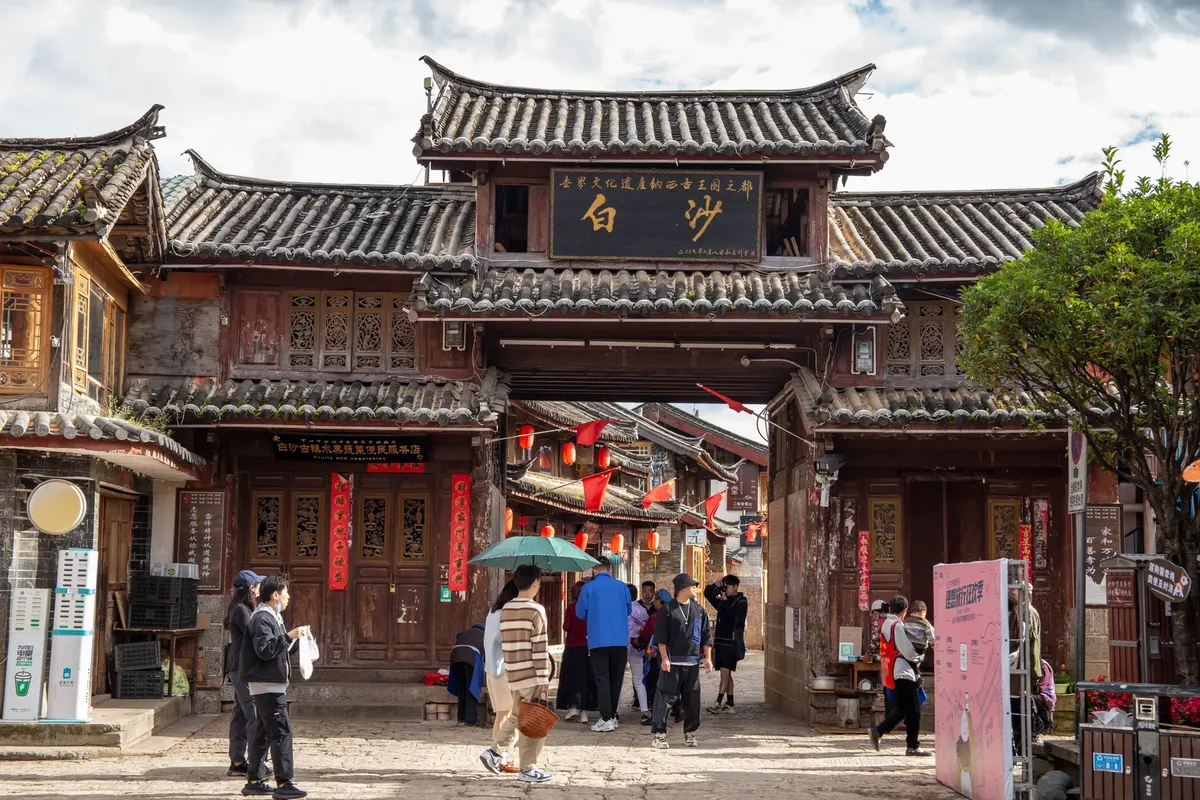
The scale of the country can be overwhelming for those used to smaller nations. Moving beyond the tourist bubble requires patience and a willingness to embrace the unfamiliar.
One must check local travel advisories and seasonal weather patterns before planning a deep immersion. A single mistake in preparation can change the entire experience of a trip.
The subject here is China travel like a local.
The same subject is also called Hidden China gems.
This part also covers How to travel China locally.
This part also covers Real China local experiences.
Related
- Visit Qin Shi Huang Tomb: How Empire Used 500 miles Highway
- First Emperor guide: How to reach the mausoleum from Beijing
How does the scale affect the traveler's view of the place?
The sheer size of the country influences how a visitor perceives the place. Seeing the place through the eyes of its residents requires acknowledging the immense demographic reality. The contrast between the national scale and a small local interaction highlights the depth of cultural difference.
- The vastness of China means that regional variations are profound. 2. The local customs observed in a specific community park differ from those in a major transit hub. 3. This difference shapes the traveler's understanding of the place.
What is the role of the journey in understanding the place?
The journey itself becomes a crucial part of understanding the place. Moving beyond the obvious sights allows the traveler to grasp the subtleties of daily existence. The journey transforms from sightseeing into cultural immersion.
- The journey necessitates a shift from viewing monuments to observing routines. 2. The ability to connect with the rhythm of daily life provides deeper insight into the place. 3. This immersion allows the traveler to see the place as its residents experience it.





Comments 0