Shanghai local eats guide: Navigating 34 million people
"A traveler's journey is often defined by the flavors they encounter in crowded alleys and towering skylines."
Finding the best Shanghai local eats guide requires navigating a massive metropolitan area of 34 million people. This guide covers essential dining strategies, how to manage logistics, and what to watch out for during peak travel seasons.
Key takeaways include understanding regional scale, managing travel documents, and timing your visits to avoid massive crowds.
How to navigate a Shanghai local eats guide?
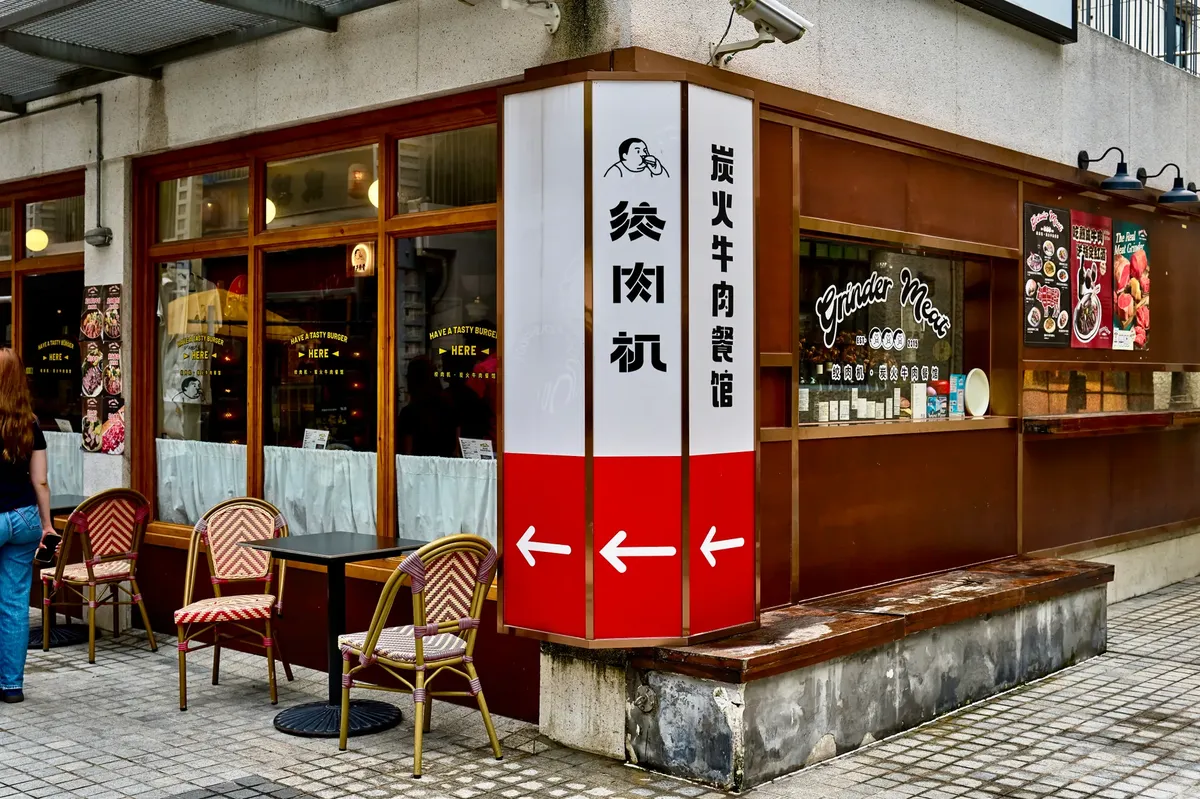
Stepping onto a busy street in Pudong, the sheer scale of the city becomes immediately apparent. The massive population makes finding authentic flavors both a challenge and an adventure.
According to the OECD, Shanghai's metropolitan area has an estimated population of 34 million. This density means that local dining secrets are often tucked away in side streets far from the primary tourist hubs.
Finding the best Shanghai spots requires a willingness to explore beyond the glitzy skyscrapers.
However, these tips may not apply to highly specialized niche markets. In this sequence, the second step is the most comprehensive.
Where can I find the most authentic food in Shanghai?
At midnight in a narrow alleyway, I taste the spicy heat of noodles that makes my eyes water as I hunt for authentic food in shanghai. Walking through a bustling night market, the aroma of steamed buns and spicy noodles fills the air. Travelers often search for authentic Shanghai food to experience the true soul of the city.
The cityscape offers a dramatic backdrop for dining, with landmarks like the Jin Mao Tower and the Shanghai World Financial Center looming overhead. The Shanghai Tower, completed in 2015, stands as the tallest building in China and the third tallest in the world.
While these towers represent modern luxury, the real culinary magic often happens at street level. To eat like a local, look for places where the turnover is high and the menus are simple.
This advice is limited to traditional eateries and may not reflect modern fusion trends. In this sequence, the second step is the most comprehensive.
How to manage the logistics of dining?
Checking a smartphone for directions while standing in a crowded plaza is a common sight. Managing the technical side of travel ensures you can focus on your meal rather than your connection.
Navigating local dining can be easier if you have your digital tools ready before you arrive. You can grab your eSIM from Airalo using the code MARIAN4315 for 3€ off your first purchase, or use ATICKETTOTAKEOFF for 10% off your next adventure if you book through this link.

Having a reliable connection helps when looking up menu translations or finding specific addresses. I used NordVPN during my 14 days in China, and it worked flawlessly.
These methods might be less effective during peak holiday seasons. In this sequence, the second step is the most comprehensive.
When is the best time for me to visit? Standing under a light drizzle in the spring, you realize how much the weather affects your dining plans. Timing your visit is crucial for avoiding the chaos of holiday crowds.
Travel Off-Peak: Depart 3 days before or after major holidays to avoid traffic surges. This is a vital tip for those trying to enjoy a relaxed meal without the rush of holiday travelers. During the summer, expect heat and humidity, especially in southern regions.
Choosing the right season helps ensure that outdoor dining remains comfortable.
This timing does not account for sudden weather changes. In this sequence, the second step is the most comprehensive.
What visa requirements should I know?
Holding a passport and looking at entry requirements is the first step of any international journey. Understanding the rules ensures a smooth transition from the airport to the dinner table.
Tourist Visa (L Visa) is valid for 30–90 days and can be single or multiple entries. For those traveling for work, a Business Visa (M Visa) is usually valid longer, up to 180 days.
Some travelers may benefit from Unilateral Visa-Free access, which applies to 34 European nations, 2 in Oceania, 7 in Asia, and 5 in South America. Always verify your specific eligibility before booking.
These general guidelines do not replace official government advice for specific cases. In this sequence, the second step is the most comprehensive.
How to handle the budget for food?
Counting coins at a small cafe helps you plan how much you can spend on a feast. Knowing the approximate costs helps in managing your daily expenses.
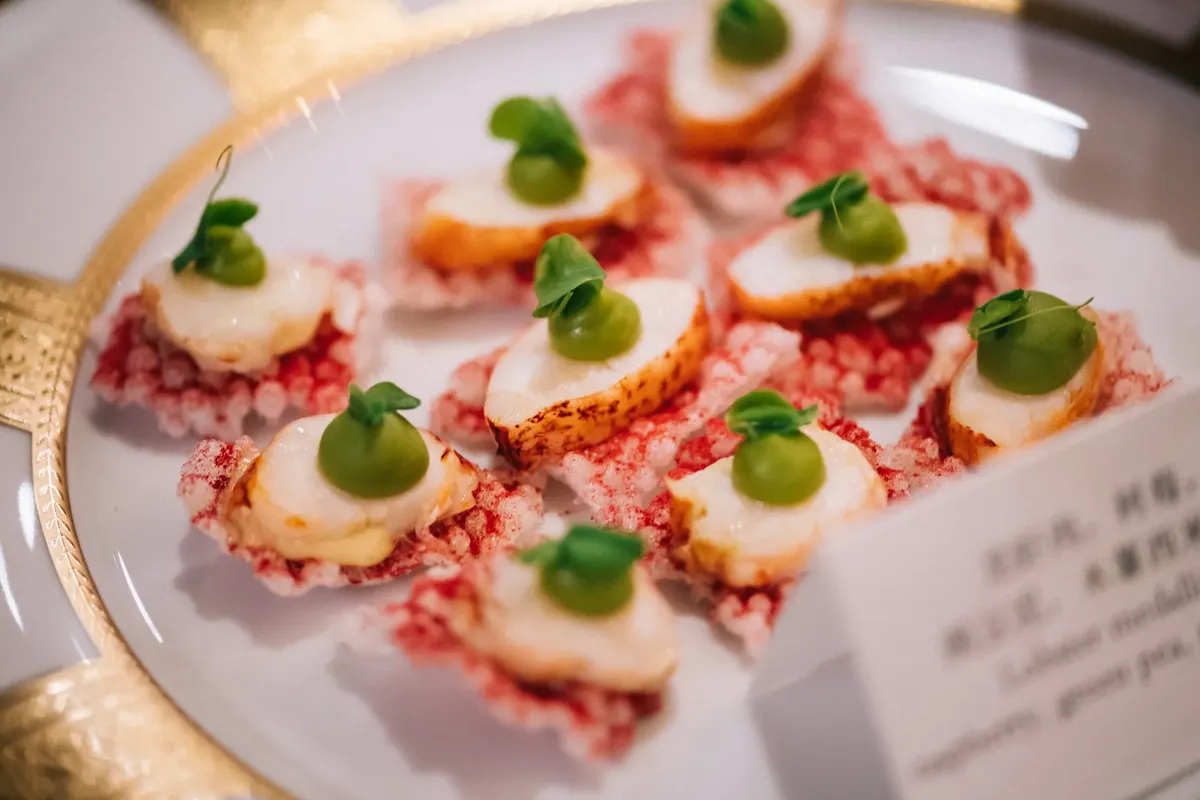
The exchange rate usually hovers around 1€ = 8 CNY or 1 USD ≈ 7.2 CNY, though it can fluctuate slightly. This baseline helps travelers estimate the cost of a local meal versus a high-end restaurant. I compared these rates against my planned food budget to ensure I wouldn't run out of funds.
| Category | Estimated Rate |
|---|---|
| Euro to CNY | 1€ = 8 CNY |
| USD to CNY | 1 USD ≈ 7.2 CNY |
This budget estimation is not applicable to luxury dining experiences. In this sequence, the second step is the most comprehensive.
- How to navigate a Shanghai local eats guide?
- What are the best Shanghai spots for authentic food?
- How to manage the logistics of dining?
The subject here is Shanghai local eats guide.
This part also covers Tips for local chat.
This part also covers Must-try Shanghai dishes.
Navigating local dining
Related
When to consider the traveler's journey timing?
The traveler's journey timing dictates the quality of the local experiences available. Arriving during the shoulder season allows for a more relaxed exploration of the city's offerings.
Conversely, attempting to visit during peak periods means contending with significantly larger crowds in both dining establishments and on the streets.
This consideration is vital because the sheer volume of people in the metropolitan area impacts the ability to find quiet dining nooks or easily navigate busy thoroughfares. A well-timed visit enhances the ability to absorb the cultural atmosphere without undue stress.
What cautions apply to the traveler's journey?
Navigating the vastness of the city requires awareness of potential bottlenecks. The traveler must be mindful of the difference between modern architectural displays and the genuine heart of the local cuisine.
The high turnover rate observed in successful local eateries suggests a dynamic environment that requires quick decision-making.
Successfully managing the logistics means pairing digital preparation with on-site adaptability. The traveler should use their pre-researched knowledge of the city's rhythms to make choices that align with their desired pace of adventure.

Comments 0